

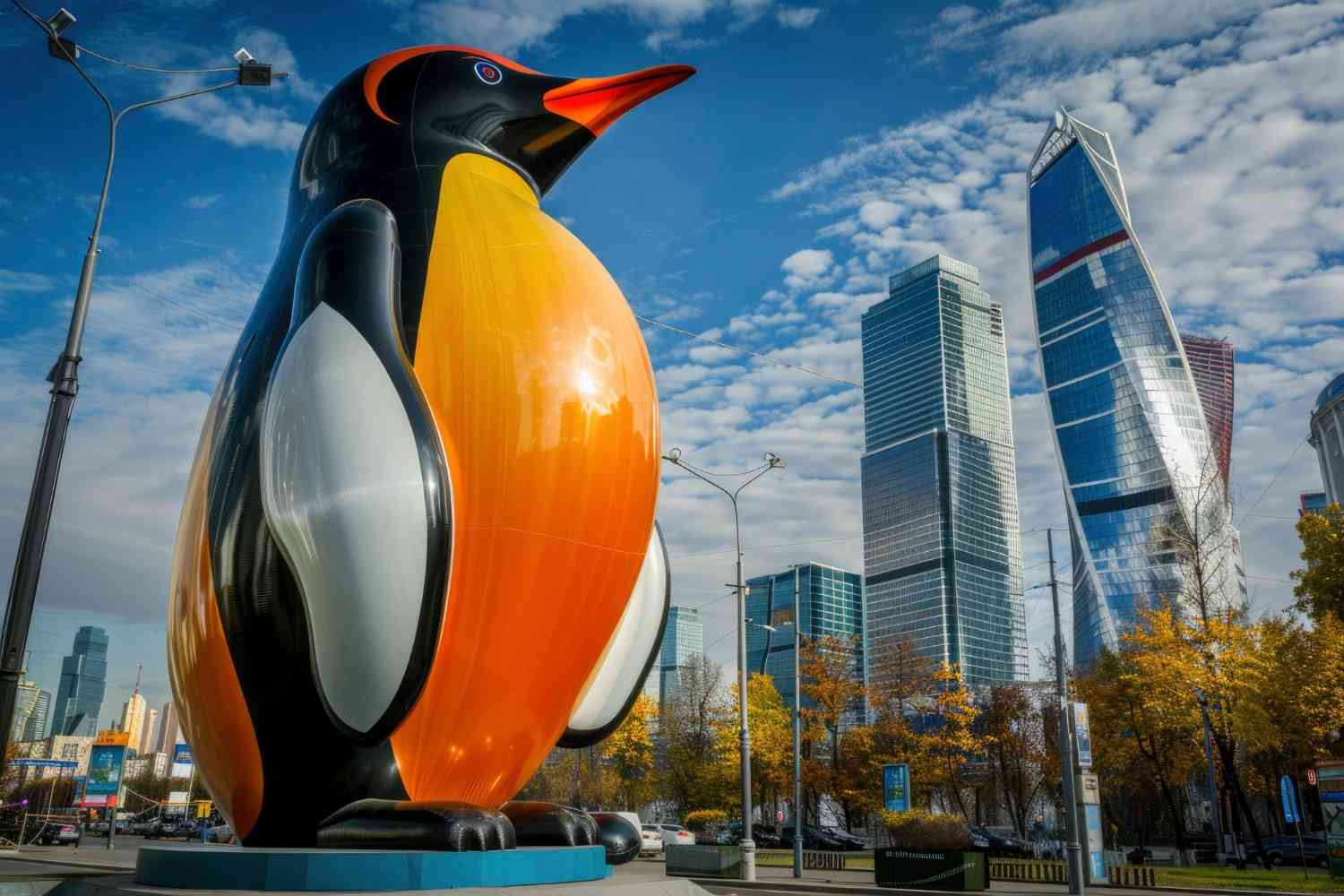
If you want your inflatable to stand out at events or promotions, you need to start with the right foundation. High-quality custom inflatables use strong PVC tarpaulin, flexible TPU, and advanced drop stitch fabric to achieve durability, shape, and visual impact. These materials determine how well your inflatable holds air, resists wear, and performs under real-world use.
You might picture soft air-filled sculptures, but the best designs—like giant custom inflatables—use industrial-grade materials built to handle heavy use, outdoor exposure, and vivid printed colors. Choosing the right fabric gives your design a solid structure, smooth texture, and professional finish that draws attention without sacrificing safety or lifespan.
Each material serves a different purpose, from lightweight options for decorations to reinforced fabrics used in large displays or floating platforms. Once you understand what makes each one unique, you can create inflatables that look great and last for years.
1. Core Materials in High-Quality Custom Inflatables
Table of Contents
High-quality inflatable products depend on materials that resist wear, stay airtight, and remain safe in different environments. You should understand how each type of material affects flexibility, weight, and performance across products such as bounce houses, inflatable boats, and pool floats.
PVC (Polyvinyl Chloride): Properties and Benefits
PVC is one of the most common materials used in custom inflatables. It offers a steady balance of strength, flexibility, and affordability, which makes it ideal for products that face frequent use and rough handling. Manufacturers often use laminated or coated PVC for structural inflatables since it supports heat-welded seams that maintain airtight seals under stress.
You can count on PVC to resist punctures and abrasions better than many lighter fabrics. It also holds up well under sunlight because UV-resistant coatings protect it from fading and cracking. In inflatables such as bounce houses and large advertising structures, PVC delivers dependable performance at a reasonable cost.
For ease of cleaning and maintenance, PVC surfaces wipe down easily and dry fast. However, you should store PVC inflatables properly, away from extreme temperatures, to prevent material stiffness or brittleness over time.
TPU (Thermoplastic Polyurethane): Features and Uses
TPU brings added flexibility and transparency compared to PVC. It handles stretching and folding without permanent deformation, which makes it suitable for products that must pack tightly, like inflatable tents or portable watercraft. TPU also offers strong tear resistance and can stay stable in both hot and cold conditions.
Many professionals choose TPU for applications that need lighter weight and higher elasticity. It feels softer to the touch, which increases comfort for pool floats or sleeping surfaces inside inflatable shelters. The material’s resistance to oils and chemicals also gives it an advantage in outdoor or marine use.
Although TPU tends to cost more than PVC, you gain a longer lifespan and improved environmental safety since it produces fewer emissions during production and can be recycled in some cases.
Nylon and Coated Fabrics for Enhanced Performance
Nylon and coated textiles serve well for inflatables that need high tensile strength and low weight, such as air mattresses, climbing walls, or adventure inflatables. Nylon fibers provide natural elasticity and resist punctures without adding unnecessary bulk.
Most inflatables rely on coated nylon rather than bare fabric. A polyurethane or PVC coating seals the woven surface and blocks air leakage. This coating also creates water resistance, which allows the same fabric to perform in wet conditions, like with inflatable boats or lakeside structures.
You benefit from nylon’s high strength-to-weight ratio, which lets you build large designs without heavy reinforcement. However, you should choose coatings carefully, since low-grade layers can peel under UV exposure. Quality coatings extend durability and keep your inflatable’s shape firm even after multiple cycles of inflation and deflation.
2. Material Qualities and Selection Criteria
High-quality inflatables depend on strong fabrics that resist wear, maintain form under stress, and handle exposure to sunlight, moisture, and chemicals. The way you select materials affects both performance and lifespan in every type of inflatable manufacturing project.
Durability and Abrasion Resistance
Durability describes how well a material stands up to repeated physical stress. In inflatable manufacturing, this means resisting punctures, surface wear, and seam strain over time. Abrasion resistance matters because inflatables often contact rough ground, water surfaces, or equipment during use.
PVC-coated fabrics and thermoplastic polyurethane (TPU) commonly serve these needs. PVC offers balanced strength and affordability, while TPU provides higher endurance against scraping and cracking. Thicker coatings and tighter weaves also extend the usable life of inflatables by adding strength where friction occurs most often.
Regular inspections of material batches can help detect weak points early. You should also look at how well seams fuse together after heat or adhesive welding, since seam failure often reduces lifespan faster than surface wear. Measuring both tensile and tear strength gives a clearer picture of a fabric’s lasting quality.
Elasticity and Flexibility in Inflatable Manufacturing
Elasticity determines how far a material stretches without losing its form, while flexibility relates to how easily it bends or folds without damage. Both properties influence how an inflatable performs under internal air pressure and repeated deflation cycles.
TPU films and nylon fabrics provide strong elasticity that keeps shapes consistent even after long use. Flexible materials also speed up assembly and packing processes because they fold neatly and resist cracking along creases. For portable products, lighter and more flexible layers make transport easier without sacrificing structure.
Improper elasticity can cause permanent deformation under pressure, making air retention less stable. Therefore, you should balance stretch and stiffness according to purpose. Recreation-focused inflatables need softer, more flexible surfaces, while industrial or structural ones benefit from slightly stiffer materials that hold shape under higher loads.
Chemical Resistance and Environmental Considerations
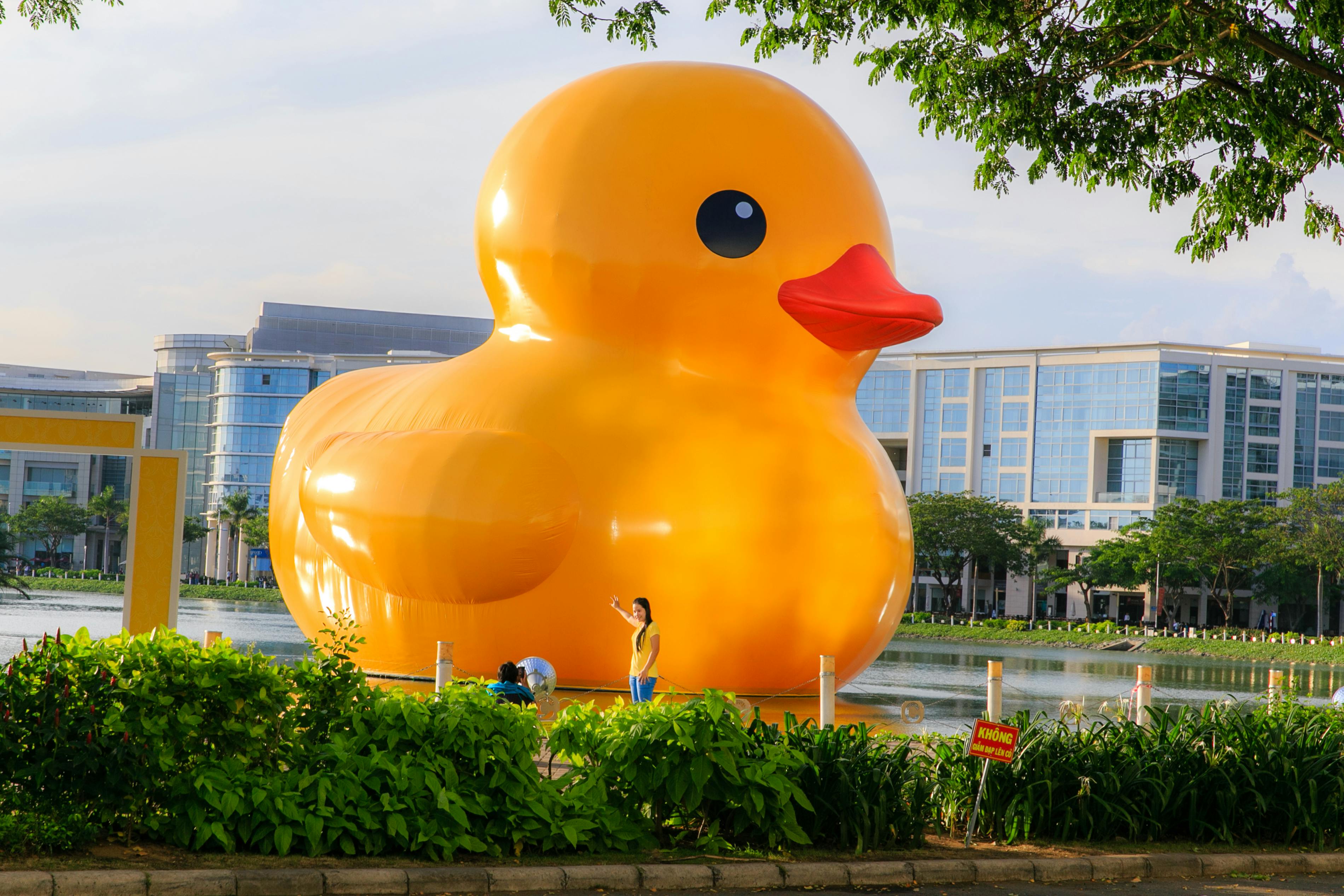
Inflatable materials often experience harsh outdoor or industrial conditions. Chemical resistance protects fabrics from oils, salts, fuels, and cleaning agents that could weaken coatings or seams. PVC and TPU both show good resistance, but TPU often performs better against hydrolysis and longer UV exposure.
Environmental factors add another dimension to material selection. Heat, moisture, and ultraviolet light all degrade polymers differently. Selecting blends that resist fading and brittleness helps extend the product’s service life. Fabrics with protective surface finishes or UV stabilizers maintain flexibility longer under sunlight.
Moisture barriers are equally important for outdoor inflatables. Waterproof coatings stop air loss from humidity buildup at seams. If your use environment involves high salt or chemical exposure, test samples under similar conditions before production to confirm stability and prevent premature wear.
Conclusion
You now know that the quality of custom inflatables starts with the right material choice. PVC-coated vinyl remains the most common option because it offers a strong balance of durability and flexibility. Nylon works well for designs that need lighter weight and easy movement, while TPU provides better strength and a more eco-conscious option for those who value long-term use.
Construction also matters. Double-stitched seams, heat-welded joints, and treatment for UV and fire resistance all help extend the product’s life. A well-made inflatable resists leaks, holds shape under pressure, and maintains color through frequent use.
To keep your inflatable in good shape, make cleaning and proper storage part of your regular routine. Avoid sharp objects, repair small holes early, and store your equipment in a dry space. These simple habits allow you to protect your investment and get the longest possible use.
In short, you can expect high-quality inflatables from strong materials, careful assembly, and proper care. By focusing on these core aspects, you gain equipment that performs safely, looks professional, and lasts through many events.


No Comments