

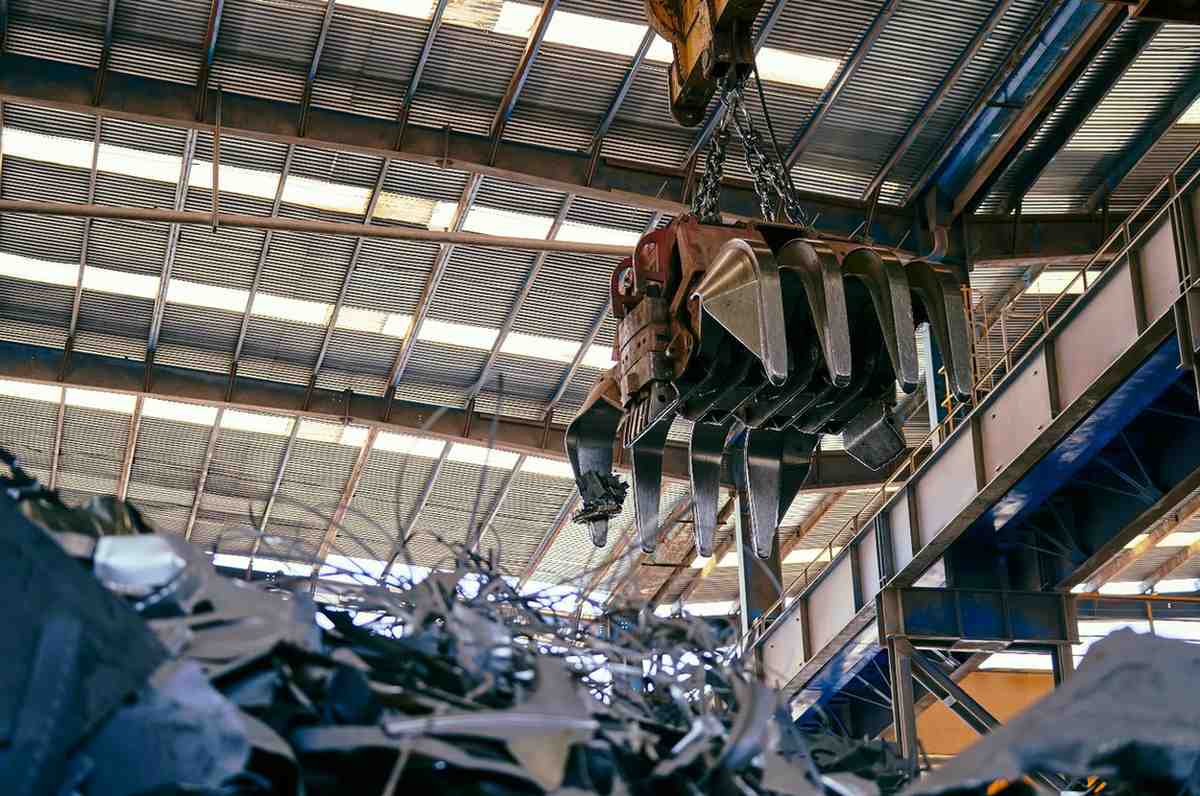
Scrap metal recycling is the process of collecting and reusing metal that would otherwise be thrown away. Many businesses deal with metal waste on a regular basis, but often treat it as something to dispose of rather than something to manage.
Over time, that approach can lead to higher costs, crowded workspaces, and missed opportunities. When handled the right way, scrap metal recycling can support cleaner operations, better cost control, and more responsible business practices.
1. It Turns Waste Into Something That Still Has Value
Table of Contents
- 1. It Turns Waste Into Something That Still Has Value
- 2. Not All Metals Are Treated the Same
- 3. It Reduces Ongoing Disposal and Cleanup Costs
- 4. It Keeps Workspaces Clear and Easier to Manage
- 5. Small Changes in Handling Make a Big Difference
- 6. It Supports Business Sustainability Without Adding Complexity
- 7. It Applies to More Businesses Than Most Expect
- 8. Everyday Items That Often Go Unnoticed
- 9. The Right Setup Makes It Easy to Maintain
Most businesses don’t think of scrap metal as something useful once it’s no longer needed. In reality, many types of metal still hold value when processed correctly, especially when handled by a scrap metal processor or metal recycling center.
Items like old office furniture, car parts, hot water tanks, and other scrap materials can often be collected and reused instead of being sent out as waste. That shift changes how businesses look at what they throw away.
2. Not All Metals Are Treated the Same
Some metals are easier to recycle and often carry more value than others. Ferrous metals, which contain iron, are common in construction and equipment. Non-ferrous metals, such as aluminum or copper, are usually lighter and often more valuable.
Sorting these materials properly helps a recycling center handle them more efficiently and can lead to better returns for the business.
3. It Reduces Ongoing Disposal and Cleanup Costs
Metal waste tends to build up slowly. A few items here and there may not seem like much at first, but over time, they can take up space and increase disposal needs.
When businesses don’t have a consistent way to remove scrap, they often end up dealing with large, costly cleanups or paying for unnecessary hauling. Having access to a reliable option like a scrap yard in Durham or another city makes it easier to move materials out regularly instead of letting them pile up.
Working with a scrap yard or metal recycling center helps businesses manage this buildup in a more controlled way. Instead of paying for large cleanups, companies can rely on regular scrap metal collection to keep things under control.
Periodic recycling also reduces the need for emergency hauling or last-minute disposal, which often costs more and disrupts normal operations.
4. It Keeps Workspaces Clear and Easier to Manage
Unused metal items can quickly crowd storage areas, work zones, and back rooms. When that happens, it becomes harder for teams to move around, store equipment, and complete tasks efficiently.
Keeping scrap materials organized and removed on a regular basis helps maintain a cleaner and more functional workspace. It also lowers the chances of accidents caused by clutter or poorly stored items.
5. Small Changes in Handling Make a Big Difference
Simple adjustments can improve how scrap metal is managed without adding extra work.
- Set up designated areas for scrap materials
- Separate different types of metal when possible
- Schedule regular scrap metal collection
These small steps make it easier to stay organized and prevent waste from piling up again. Over time, they become part of the normal workflow.
6. It Supports Business Sustainability Without Adding Complexity
Many businesses want to reduce waste and operate in a more responsible way, such as harnessing the power of sustainable energy. Scrap metal recycling offers a direct way to do that without changing core operations.
Recycling metal reduces the need for new raw materials and lowers the amount of waste sent to landfills. This supports recycling programs and helps businesses meet internal goals related to waste reduction.
Because metal can be reused multiple times, even small efforts in recycling can have a lasting effect over time.
7. It Applies to More Businesses Than Most Expect
Some companies assume that metal recycling only applies to large industrial operations. In reality, many types of businesses generate recyclable metal through everyday use.
Offices, property managers, service providers, and automotive businesses all deal with items that can be recycled instead of discarded.
8. Everyday Items That Often Go Unnoticed
- Office furniture
- Car parts
- Hot water tanks
- License plates
- Scrap automobiles
- Metal cord
- Damaged fixtures or shelving
Many of these items sit unused for long periods before being thrown away. Recognizing them as recyclable materials makes it easier to handle them more efficiently.
9. The Right Setup Makes It Easy to Maintain
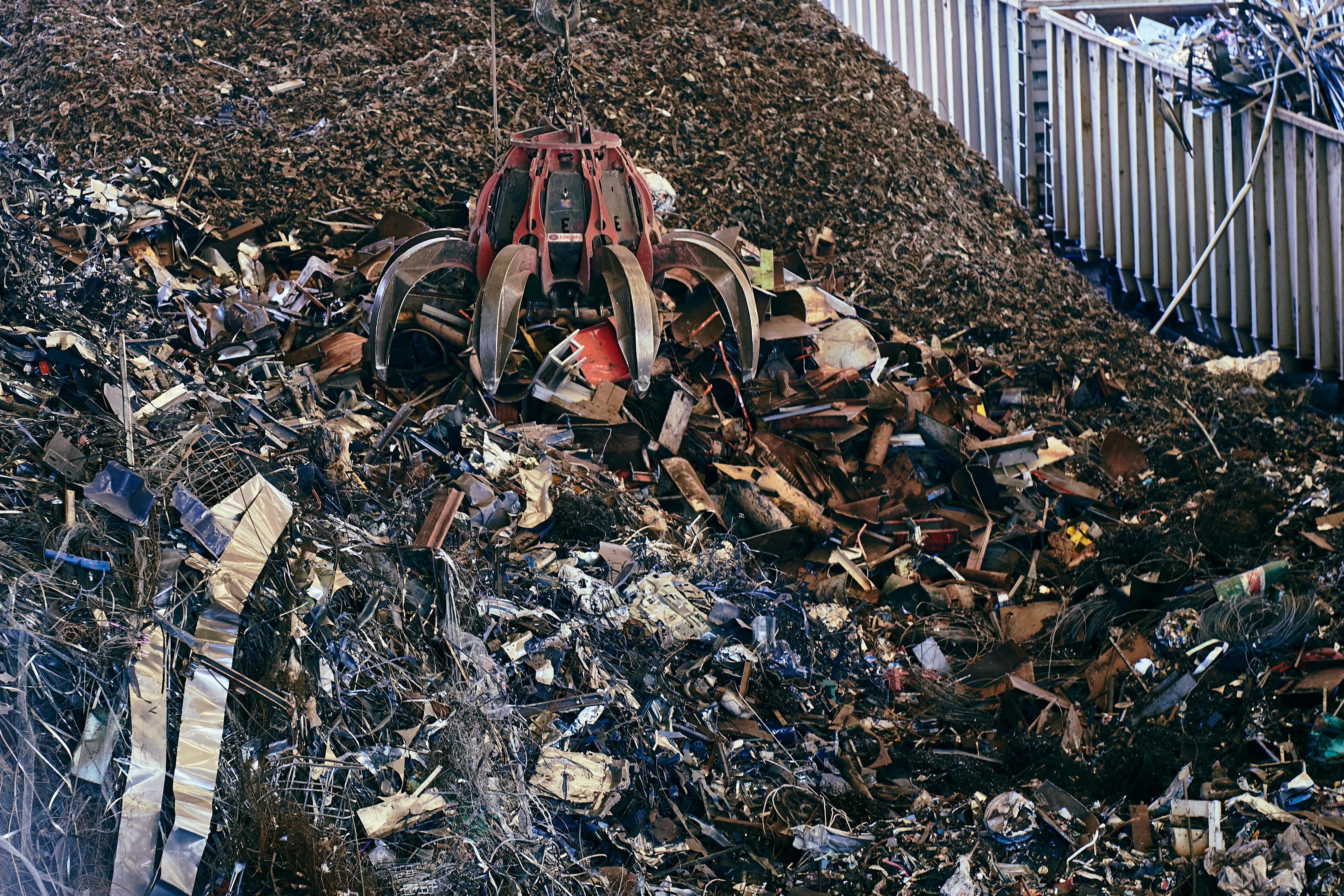
A steady process works better than a one-time cleanup. When scrap metal is handled the same way each week or month, it becomes part of normal operations instead of an afterthought.
Working with a service metal recycling center that provides quality service can make routine collection simple and predictable. Businesses can set schedules, plan pickups, and keep track of what gets removed.
With the right setup, scrap metal recycling becomes part of regular operations rather than an extra task that gets pushed aside.
Conclusion
Scrap metal recycling matters because it helps businesses manage waste in a smarter way. It reduces disposal costs, keeps workspaces organized, and allows companies to recover value from materials they already have.
With a simple system and the right support, metal recycling can become a steady part of daily operations instead of an occasional cleanup effort.


No Comments