

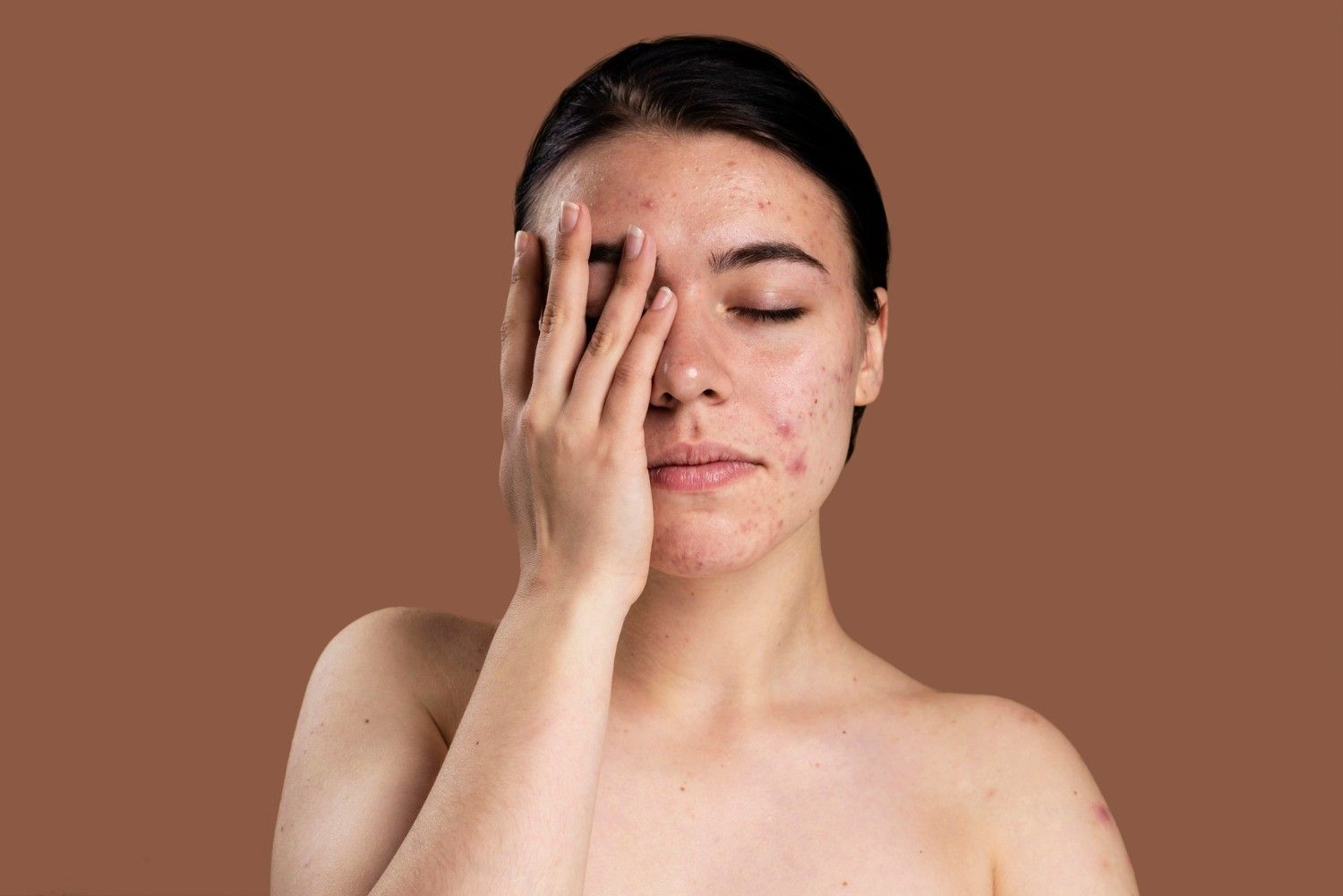
Acne scars can feel like a stubborn reminder of a chapter someone is ready to leave behind. Even when active breakouts calm down, uneven texture, dark marks, and tiny bumps can linger and quietly chip away at confidence. It is completely normal to feel frustrated when skincare alone does not seem to smooth things out.
The good news is that skin is far more resilient than it often looks in the mirror. With the right blend of daily habits, targeted treatments, and patience, many people see real improvement in both tone and texture over time. Modern dermatology and aesthetic medicine now offer options ranging from gentle topicals to advanced procedures such as radiofrequency microneedling, including treatments like Sylfirm X in Singapore for suitable patients.
This article walks through why acne scars and blemishes form, what can make them look worse, and which steps can help skin gradually look smoother and more refined. It is written for anyone who has ever zoomed in too close on a selfie and wondered if their skin will ever feel like theirs again.
Why acne scars and marks linger
Table of Contents
Acne scars and blemishes show up in different ways, and each type behaves a little differently on the skin. Some people notice tiny ice picks like dents, while others struggle more with rolling or boxcar scars that make the surface look wavy or uneven. On top of these textural changes, there can be lingering redness or brown spots that stay long after a breakout fades.
When a pimple forms, inflammation can damage the surrounding collagen that supports the skin. If the body produces too little collagen as it heals, the result is a depressed or atrophic scar. If it produces too much, raised or thickened scars may appear instead. Post-inflammatory hyperpigmentation and redness happen when pigment cells or tiny vessels are overactivated during healing, leaving flat marks even when the surface feels smooth to the touch.
1. Inflammation and picking
One of the biggest drivers of scars and marks is ongoing inflammation. When acne is red, swollen, and painful, it signals that deeper layers of skin are involved, and this makes lasting marks more likely. Breakouts that are squeezed, picked, or scratched are even more prone to scarring because the skin barrier is physically torn on top of the existing inflammation.
Learning to leave blemishes alone is not easy, especially when they feel obvious or uncomfortable. Yet each time someone resists the urge to pick, they are giving their skin a better chance to repair itself with less disruption. Simple steps like keeping nails short, using pimple patches as a physical reminder, and having a soothing spot treatment ready can make it easier to break the habit.
2. Skin type and natural healing
Skin type also plays a major role in how acne marks appear. Deeper skin tones are more prone to dark spots after inflammation, while fairer skin may show lingering redness more clearly. Some people naturally form scars more easily, even from minor injuries, simply because of how their collagen and pigment cells respond.
Age influences healing, too. As collagen production slows down over time, the skin may take longer to bounce back from breakouts, making existing texture issues feel more noticeable. This is one reason why a breakout in the twenties or thirties can feel more “permanent” than one in the teen years.
3. Everyday triggers that worsen texture
Daily habits can either support healing or quietly work against it. Unprotected sun exposure is a major culprit because ultraviolet rays darken post-inflammatory marks and break down collagen that the skin needs to repair scars. Certain harsh scrubs or strong products used too often can weaken the barrier, causing irritation that prolongs redness and unevenness.
On the other hand, a gentle, consistent routine helps create a stable environment for repair. A mild cleanser, noncomedogenic moisturizer, and broad-spectrum sunscreen form a simple base that supports any active treatments layered on top. When skin is less irritated, it is more receptive to ingredients and procedures that target texture and pigment.
Steps to smooth and brighten skin
Improving acne scars and blemishes usually requires a combination of at home care and, for many people, in-clinic treatments. The goal is to calm ongoing inflammation, encourage collagen rebuilding, and fade excess pigment without overwhelming the skin. Small, consistent changes tend to add up more than sporadic “fixes” that are too harsh or intense.
1. Building a supportive routine
A supportive routine focuses on protecting the barrier while slowly nudging the skin to renew itself. Gentle chemical exfoliants, such as low-strength acids or retinoids prescribed or recommended by a professional, can help improve cell turnover and soften the look of shallow scars and dark marks over time. Niacinamide, azelaic acid, and certain brightening agents can also help reduce blotchiness without bleaching the natural skin tone.
Hydration plays a quiet but important role. Well-moisturized skin looks smoother and reflects light more evenly, which can make texture and marks less noticeable day to day. Lightweight, non-clogging moisturizers and serums that support the barrier can be used even on acne-prone skin as long as formulas are carefully chosen.
2. Professional treatments for texture and scars

For deeper scars or more stubborn texture changes, professional procedures can make a meaningful difference. Treatments like microneedling, radiofrequency microneedling, certain lasers, and chemical peels work by creating controlled micro-injuries that trigger new collagen and remodel the skin from within. Over several sessions, many people notice smoother texture, smaller-looking pores, and a more even surface.
Advanced systems such as RF microneedling devices, including Sylfirm X are designed to deliver energy into precise layers of the skin while protecting the surrounding tissue. Studies and clinical experience suggest these technologies can improve acne scars, enlarged pores, and pigmentation with relatively minimal downtime compared to more aggressive resurfacing options. In Singapore and other major cities, these treatments are often tailored by doctors to match skin type, scar pattern, and lifestyle so that results build gradually and safely.
Moving toward calmer, smoother skin
Healing acne scars and blemishes is rarely an overnight story, but it is far from hopeless. With a mix of gentle daily care, sun protection, smart ingredient choices, and in some cases energy-based treatments like Sylfirm X under medical guidance, many people see their skin slowly look clearer and more refined. The key is focusing less on quick fixes and more on steady progress that respects how the skin naturally repairs itself.
Anyone feeling stuck or discouraged does not have to figure it out alone. A consultation with a trusted dermatologist or aesthetic doctor can provide a clear plan that fits personal goals, skin type, and comfort level, turning a source of stress into a step-by-step journey toward healthier, more confident skin.



No Comments