

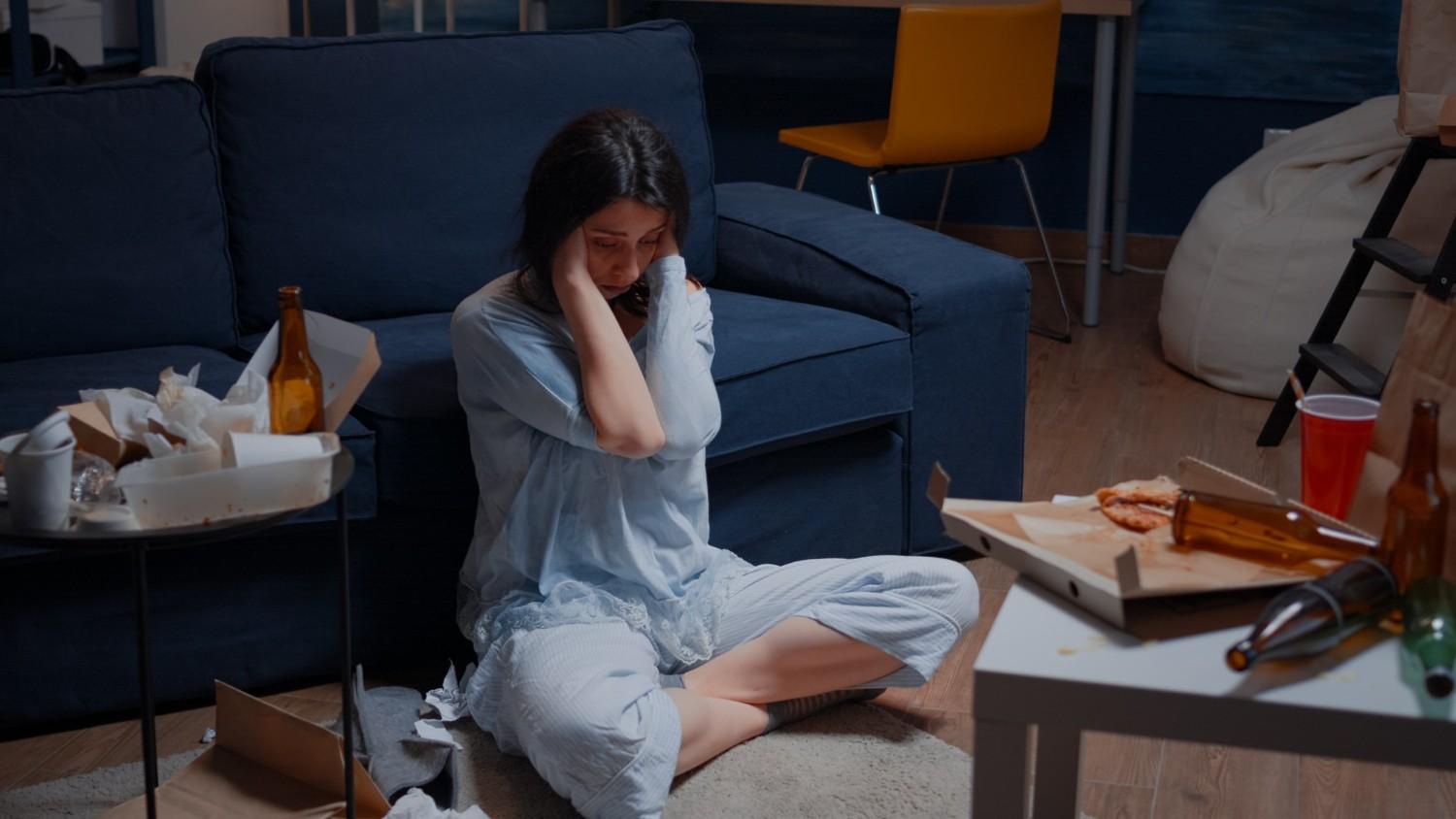
If you’re struggling with both addiction and depression, you may feel stuck in a cycle that’s hard to break. You try to stop using substances, but the depression feels overwhelming. Or you try to manage your depression, but substance use keeps getting in the way.
This pattern is more common than many people realize. And it’s one of the main reasons relapse happens.
The truth is simple but powerful: treating addiction without addressing depression often fails, and treating depression without addressing addiction does too.
Real, lasting recovery requires treating both at the same time.
How Addiction and Depression Are Connected
Table of Contents
- How Addiction and Depression Are Connected
- Why Treating Only Addiction Often Doesn’t Work
- Why Treating Only Depression Often Fails
- What Is Integrated Treatment?
- How Integrated Treatment Helps You Heal
- Warning Signs You May Need Integrated Treatment
- The Importance of Residential Treatment for Dual Conditions
- Treating Addiction and Depression in Ohio
- Breaking the Cycle of Shame
- What Happens After Integrated Treatment?
Depression and addiction often feed into each other.
You may use alcohol or drugs to:
- Numb emotional pain
- Escape hopeless thoughts
- Feel temporary relief
- Boost low energy or mood
At first, substances may seem to help. But over time, they make depression worse.
Alcohol and drugs can:
- Disrupt brain chemistry
- Increase feelings of sadness or emptiness
- Interfere with sleep
- Reduce motivation
- Worsen anxiety
According to the Substance Abuse and Mental Health Services Administration (SAMHSA), nearly 1 in 4 adults with a serious mental illness also has a substance use disorder.¹ This overlap is significant and it shows why integrated care matters.
Why Treating Only Addiction Often Doesn’t Work
Many people enter treatment focused only on stopping substance use. Detox helps the body stabilize. Therapy addresses behavior patterns. But if depression remains untreated, it often resurfaces strongly.
When depression is left untreated:
- Motivation drops
- Hopelessness increases
- Isolation grows
- Cravings become harder to resist
The National Institute on Drug Abuse (NIDA) reports that individuals with untreated mental health conditions are at higher risk for relapse.²
Stopping substance use removes a coping tool, but without replacing it with healthy support, the emotional pain remains.
Why Treating Only Depression Often Fails
The reverse is also true.
If someone receives treatment for depression but continues to use substances, progress can stall.
Substances interfere with:
- Antidepressant medications
- Emotional regulation
- Therapy effectiveness
- Brain healing
Alcohol, in particular, is a depressant. According to the National Institute on Alcohol Abuse and Alcoholism (NIAAA), alcohol misuse can worsen depressive symptoms and increase suicide risk.³
Without addressing substance use, depression treatment may never fully work.
What Is Integrated Treatment?
Integrated treatment, often called dual diagnosis treatment, addresses addiction and depression at the same time.
This approach includes:
- Comprehensive mental health evaluation
- Addiction treatment
- Evidence-based therapy
- Medication management when appropriate
- Ongoing relapse prevention planning
Instead of treating two separate problems, integrated care recognizes that addiction and depression are connected and must be treated together.
How Integrated Treatment Helps You Heal
1. Stabilizing Brain Chemistry
Both addiction and depression affect the brain’s reward system. Integrated treatment focuses on stabilizing mood and reducing cravings at the same time.
Medications may be used to:
- Support mood stabilization
- Reduce depressive symptoms
- Manage substance cravings
These medications are carefully monitored to ensure safety and effectiveness.
2. Addressing the Root Causes
Therapy helps explore the underlying causes of both depression and substance use.
Common therapies include:
- Cognitive Behavioral Therapy (CBT)
- Dialectical Behavior Therapy (DBT)
- Trauma-informed therapy
- Motivational Interviewing
These approaches help you challenge negative thought patterns, manage emotions, and develop healthier coping skills.
3. Reducing Relapse Risk
Depression is a powerful relapse trigger.
When feelings of hopelessness or worthlessness return, the urge to escape through substances can become strong. By actively treating depression, integrated care lowers relapse risk.
According to NIDA, addressing co-occurring disorders improves treatment engagement and long-term outcomes.²
Warning Signs You May Need Integrated Treatment
You may benefit from treating addiction and depression together if:
- You feel persistent sadness even during sobriety
- You use substances to cope with emotional pain
- You’ve relapsed after previous treatment
- You experience low motivation, guilt, or hopelessness
- You struggle with thoughts of self-harm
If depression symptoms worsen when you try to quit, that’s a strong sign that both conditions need attention.
The Importance of Residential Treatment for Dual Conditions

For some individuals, especially in early recovery, residential treatment provides the safest and most supportive environment.
Residential care offers:
- 24/7 supervision
- Structured daily routines
- Mental health and addiction therapy
- Peer support
- Medication monitoring
This level of care can be especially helpful when depression symptoms feel severe or overwhelming.
Treating Addiction and Depression in Ohio
Ohio continues to face high rates of both substance use disorders and mental health challenges. Access to integrated treatment in Ohio allows individuals to receive comprehensive care close to home.
Local treatment supports:
- Family involvement
- Continuity of care
- Transition into outpatient support
Recovery becomes more sustainable when both conditions are addressed within the same treatment plan.
Breaking the Cycle of Shame
Many people blame themselves for struggling with both addiction and depression. But neither condition is a character flaw.
Depression is a medical condition. Addiction is a medical condition. Both respond best to professional, compassionate care.
You are not weak for needing support for both.
What Happens After Integrated Treatment?
Integrated treatment lays the foundation. Continued care may include:
- Outpatient therapy
- Medication management
- Support groups
- Relapse prevention planning
Ongoing support helps maintain emotional stability and protect long-term recovery.
A Final Word of Hope
If you’ve tried to treat addiction alone and relapsed, or treated depression alone and felt stuck, you are not failing. You may simply need the right kind of care.
When addiction and depression are treated together, recovery becomes more stable and more hopeful.
Healing is possible when the full picture is addressed.
You deserve treatment that sees all of you.



No Comments