


You know the sound. It’s that hollow, tinny thud when you shut the door of a brand-new, sixty-thousand-dollar pickup. It reminds you of a microwave door closing. Somewhere along the line, we traded heavy-gauge steel for efficiency and plastic clips.
We accepted that vehicles are just appliances. But there is a stubborn group of truck owners who refuse to accept that “factory standard” is good enough. They know that a truck should feel like a machine, not a gadget.
1. Breaking the Mold
Table of Contents
Pull up to any job site or stoplight, and you are looking at a sea of sameness. The badges might change, but the silhouettes are largely identical. This uniformity is exactly why custom fabrication has exploded in popularity. It isn’t just about vanity or showing off; it is about reclaiming the identity of the vehicle.
When a builder takes a torch and a welder to a chassis, they are stripping away the compromises made by accountants in a boardroom. A handcrafted truck doesn’t try to appeal to everyone. It appeals to one person: the driver. It’s the difference between wearing a suit off the rack and one cut specifically for your shoulders. One fits okay; the other changes how you carry yourself.
2. Function Over Form
The biggest myth about custom details is that they are purely cosmetic. Real truck guys know better. Handcrafted usually means over-engineered. Factory parts are designed to be “good enough” to last through the warranty period. Custom work is built to survive the apocalypse.
This philosophy of rugged individuality is what drives the team at Florida’s Finest Custom Works. They aren’t just bolting on accessories; they are solving problems. When you commission a custom headache rack or a reinforced suspension setup, you get fabrication tailored to how you actually use the rig. A robot on an assembly line doesn’t know you haul timber through swampy backroads. A fabricator does. They choose materials and weld points based on stress loads, ensuring the truck can take a beating and come back for more. That level of attention creates durability that mass production simply cannot match.
3. The Feel of the Drive
There is a tactile honesty in handcrafted materials that plastic cannot replicate. Think about the parts of the truck you actually touch. A steering wheel wrapped in hand-stitched leather feels different than textured polyurethane. It breathes. It wears in, not out. A machined aluminum shifter has a cold, heavy weight to it that signals solidity.
These sensory details matter. If you spend ten hours a day in the cab, the environment seeps into your mood. Rattling dashboards and cheap trim are exhausting. Quality materials, shaped by human hands, create a sense of calm and capability. It changes the relationship between the driver and the truck. You stop treating it like a disposable object and start treating it like a partner.
4. Saving the Skill Set
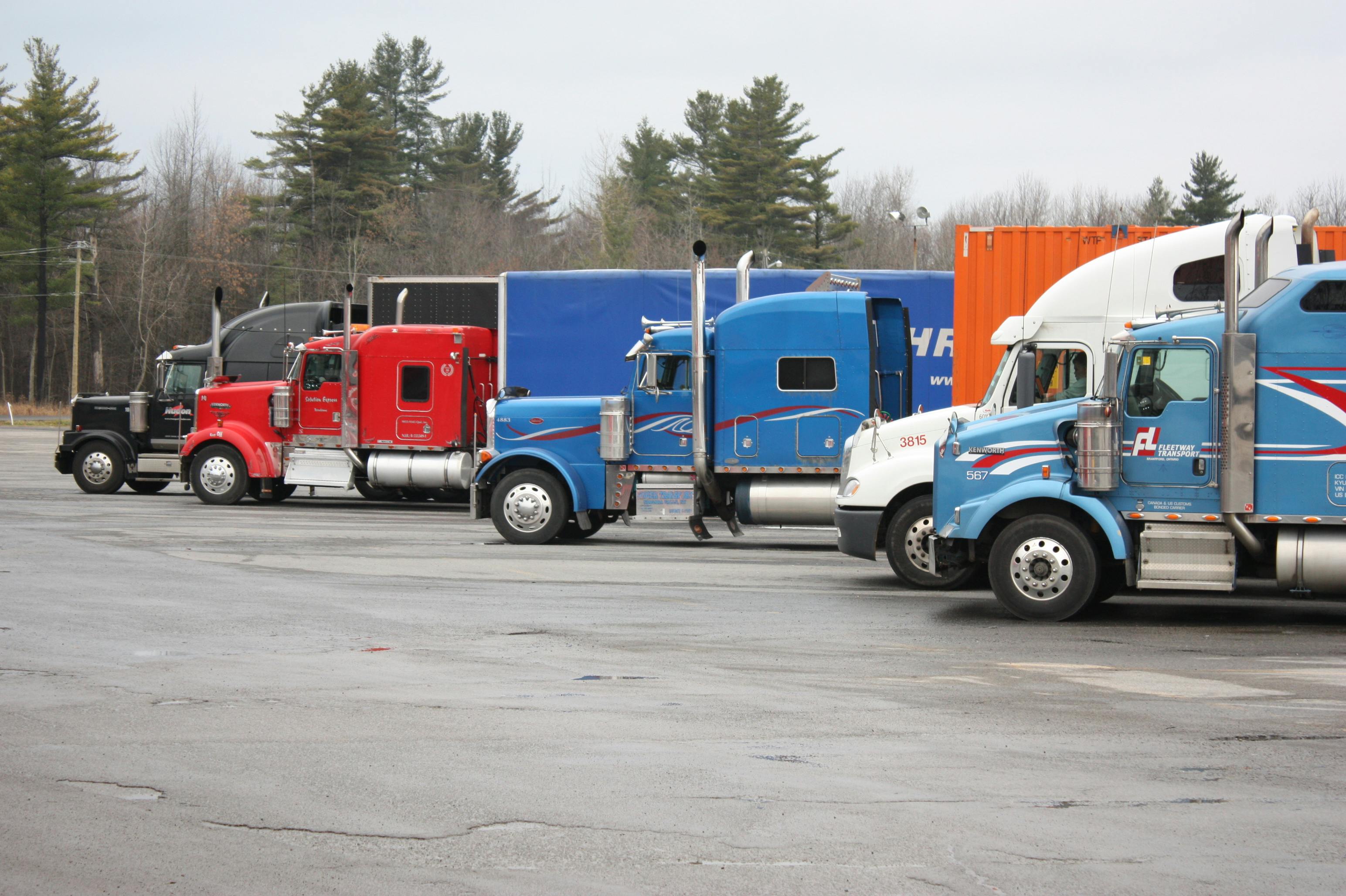
Beyond the metal and the leather, paying for handcrafted details is an investment in human talent. The skills required to shape sheet metal, lay perfect beads of weld, or stitch complex upholstery patterns are becoming rare. We are losing the “old school” trades.
Every time a truck owner chooses a custom bumper over a stamped factory piece, they keep a fabricator in business. They ensure that the knowledge of how to manipulate steel isn’t lost to automation. It keeps the culture alive, proving that even in a digital age, we still need people who aren’t afraid to get their hands dirty to build something real.
A truck with handcrafted details carries the mark of the person who built it and the personality of the person who drives it. In a world of disposable tech, that kind of permanence is worth every penny.



No Comments