


Imagine a scene that plays out in boardrooms across the world: a company invests millions in a state-of-the-art software platform designed to revolutionize its workflow. The process maps are elegant, the data analytics are powerful, and the efficiency gains on paper are staggering.
Six months after launch, however, the project was a failure. User adoption is abysmal, workarounds are rampant, and morale has plummeted. The system, a model of technical perfection, failed because it ignored the most complex variable of all: the people meant to use it.
This common scenario highlights a fundamental shift in the business world and a corresponding evolution in the field of consulting. The era of the siloed expert, the pure process guru who thinks only in terms of number and system processes, or the people-focused coach who ignores the current systems in which employees operate, is drawing to a close. Today, the most sought-after consultants — healthcare, financial, or marketing are bilingual, fluent in the languages of both human-centric design and operational excellence.
They are the architects of change who understand that a brilliant process is useless if the people reject it, and a happy team will eventually falter if bogged down by inefficient systems.
The Old Dichotomy
For decades, consulting often fell into two distinct camps. On one side were the ‘process gurus’. These were the efficiency experts, the engineers of the corporate machine. They viewed organizations as complex systems of inputs and outputs, and their goal was to streamline that system for maximum productivity and profit. Their weakness, however, was often a blind spot for the human element.
On the other side were the ‘people whisperers’. These consultants, often emerging from backgrounds in human resources, organizational psychology, or leadership development, focused on culture, communication, and talent management. They conducted workshops on team dynamics, coached executives on emotional intelligence, and helped navigate the complexities of corporate culture.
Their limitation was that they sometimes treated culture as a separate entity, disconnected from the very tools, workflows, and structures that shape an employee’s daily experience.
Driving the Need for Synthesis
This traditional separation is no longer tenable.
First, Digital Transformation is no longer just an IT project; it is a fundamental business and cultural transformation. Implementing AI, CRM, or ERP systems is less about the technology itself and more about changing how people work, think, and collaborate. A consultant who only understands the tech stack cannot build the training, communication, and support systems necessary for successful adoption.
Second, the rise of the Employee Experience (EX) as a key business metric has made the connection between people and process explicit. Companies now recognize that a seamless, intuitive, and empowering work experience is critical for attracting and retaining top talent. A consultant must be able to map the employee journey, identify process-based friction points, and redesign them with human empathy at the core.
Finally, the increasing reliance on data-driven decision making requires a hybrid skill set. Raw data and analytics (the process) are meaningless without the human insight to interpret them and the storytelling ability to translate them into action. A modern consultant must be able to look at a dashboard, understand the technical underpinnings of the data, and then build a compelling narrative that motivates leaders and teams to change their behavior.
The Modern Hybrid Consultant
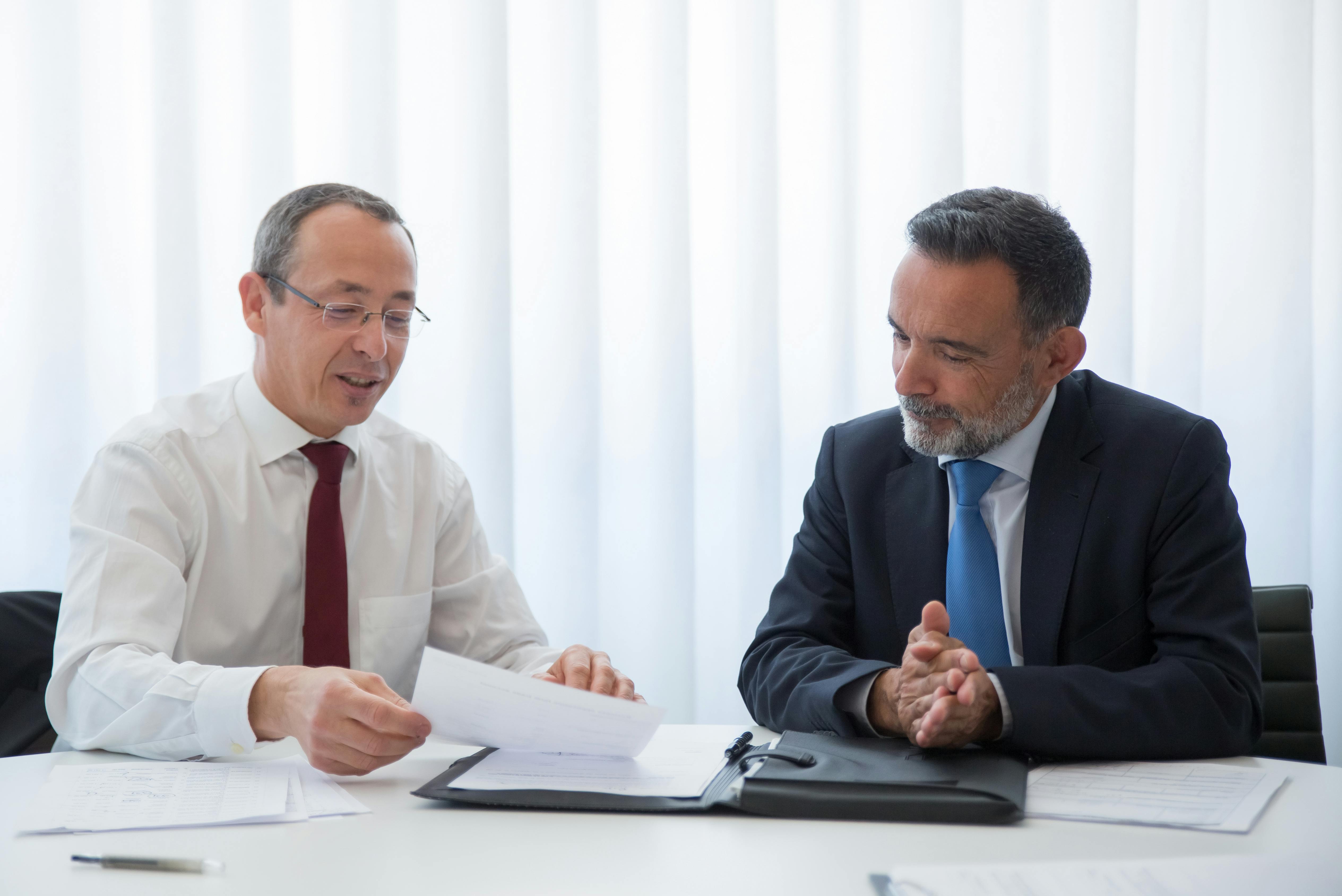
So, what does this new breed of consultant look like? They possess a unique blend of hard and soft skills that allows them to operate at the critical intersection of people and process like understanding the difference between management vs. leadership.
- They are Empathetic Analysts: They don’t just create flowcharts; they shadow employees to understand their daily frustrations. They combine quantitative data with qualitative data to get a complete picture of a problem.
- They are Technically Fluent Translators: They don’t need to be expert coders, but they must understand the capabilities and limitations of key technologies. They can act as a crucial bridge between the IT department and business units, translating technical jargon into business impact and business needs into technical requirements.
- They can see the bigger picture: They can zoom out to see how a small process change in one department will impact the culture of the entire organization. More importantly, they can craft a clear and compelling story that connects a proposed operational change to the company’s broader mission and values, creating buy-in at every level.
Organizations can no longer afford to treat their operations and their culture as separate domains. The most resilient and successful companies will be those that build seamless, efficient systems designed for the humans who run them.
To do this, they will increasingly turn to a new type of advisor: the consultant who sees not a flowchart or an org chart, but a living, breathing system where people and processes are two sides of the same valuable coin.



No Comments