

Today’s lifestyle is no longer defined by trends alone. People are becoming more intentional about how they live, what they buy, and how their homes support their daily routines. Platforms like Suntrics focus on practical, real-life improvements that make everyday living easier and more efficient.
From parenting essentials to home upgrades, smart living is about choosing things that add value without adding unnecessary complexity.
1. Creating a Home That Supports Daily Life
A well-designed home is not just about appearance; it’s about function. Every item in your space should serve a purpose and make daily tasks smoother.
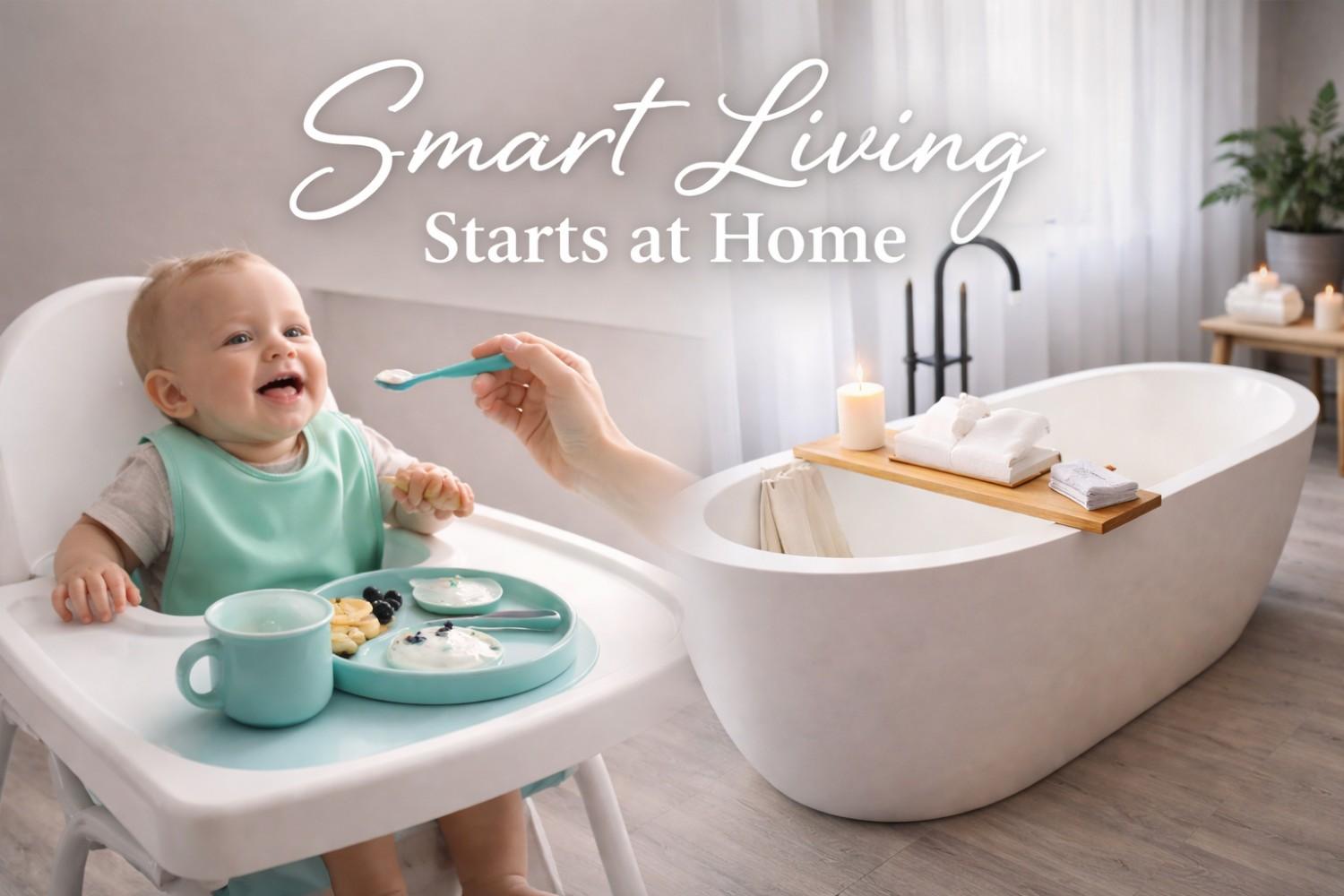
For families, this often starts with the basics. Mealtime, for example, is one of the most important parts of a child’s routine. Having the right tools, such as a reliable baby dinner set, can make feeding easier, reduce mess, and help establish consistent habits early on.
Small improvements like this may seem minor, but they play a big role in reducing daily stress.
2. The Rise of Practical Parenting Solutions
Parenting today is more fast-paced than ever. With busy schedules, parents are constantly looking for solutions that save time while still being safe and effective.
Products designed with both convenience and usability in mind are becoming essential. Instead of juggling multiple items, parents prefer all-in-one solutions that simplify routines.
This shift reflects a broader trend in which people are choosing products that integrate seamlessly into their lives rather than complicate them.
3. Why Comfort Is Becoming a Priority in Home Design
Beyond functionality, comfort has become a central focus in modern homes. People are investing more in spaces that help them relax and recharge.
Bathrooms, in particular, are evolving from purely functional spaces into areas designed for comfort and recovery. Features that were once considered luxury are now becoming more common in everyday homes.
4. Turning Everyday Spaces Into Personal Retreats
One of the biggest shifts in home design is the idea of creating personal retreats within your own space. Instead of relying on occasional getaways, people are bringing comfort into their daily environment.
A great example of this is the growing popularity of the stand alone tub from Magnus Home Products. It transforms a standard bathroom into a space where you can unwind, reset, and take a break from daily pressures.
This isn’t just about aesthetics; it’s about creating moments of relaxation that fit into everyday life.
5. Balancing Function and Aesthetics
Many people struggle to balance practicality with visual appeal. The key is to avoid choosing one over the other.
A well-designed home should look good while also making life easier. This means selecting items that serve a purpose while still fitting your personal style.
For example, a thoughtfully chosen dining setup for children or a carefully designed bathroom feature can enhance both usability and appearance without feeling excessive.
6. The Role of Smart Decisions in Daily Efficiency
Efficiency is becoming one of the most important factors in modern living. People want to save time, reduce effort, and make their routines smoother.
This applies to everything from how meals are prepared to how spaces are organised. Choosing the right products can significantly reduce the time spent on repetitive tasks.
Over time, these small efficiencies add up, creating a more manageable and less stressful daily routine.
7. Why Simplicity Works Better Than Complexity
Complicated systems often fail because they are hard to maintain. Simple solutions, on the other hand, are easier to stick with and tend to deliver better long-term results.
This is why many people are moving toward minimal, functional setups in both parenting and home design. Instead of adding more, they are focusing on what truly works.
Simplicity allows for consistency, and consistency is what drives real improvement.
8. Investing in Long-Term Comfort
Short-term convenience is useful, but long-term comfort is what truly matters. Investing in the right items early on can save time, money, and effort later.
Whether it’s choosing practical tools for daily routines or upgrading parts of your home, these decisions often pay off over time.
The focus is shifting from quick fixes to sustainable solutions that continue to add value.
9. Adapting to Changing Lifestyles
Modern lifestyles are constantly evolving, and homes need to adapt accordingly. What worked a few years ago may not be as effective today.
Being open to change allows you to improve your living space without starting from scratch. Small updates like upgrading specific areas or replacing outdated items can make a significant difference.
10. Avoiding Common Mistakes in Home and Lifestyle Choices
Many people make the mistake of following trends without considering practicality. Some common issues include:
- Choosing style over functionality
- Buying items that don’t fit daily routines
- Overcomplicating simple tasks
- Ignoring long-term usability
Avoiding these mistakes can help create a more balanced and efficient living environment.
11. The Connection Between Environment and Well-being
Your surroundings have a direct impact on how you feel and perform. A well-organised, comfortable space can improve focus, reduce stress, and enhance overall well-being.
This is why thoughtful design and practical choices matter. They influence not just how your home looks, but how it supports your daily life.
Final Thoughts
Smart living isn’t about making big, dramatic changes. It’s about making better everyday decisions. From choosing the right essentials for your family to creating spaces that support relaxation, these small improvements shape a more comfortable and efficient lifestyle.
By focusing on practicality, comfort, and simplicity, you can build a home that works for you, not against you.




No Comments