


If you’ve ever searched for a flight, left the page, and then returned to see a higher price, you’re not alone. Many travellers believe airlines increase fares when they detect repeated searches. While airfare pricing is influenced by complex algorithms, demand signals, and regional factors, there are practical strategies you can use to avoid overpaying.
Airlines and booking platforms use dynamic pricing systems that adjust fares based on demand, timing, seasonality, and sometimes even browsing data. Because of this, some travellers explore tools like a vpn for flights to compare prices from different virtual locations and see if regional pricing differences affect ticket costs. While results vary, comparing options strategically can sometimes reveal pricing inconsistencies.
Understanding how airfare pricing works can help you make smarter booking decisions.
Why Flight Prices Fluctuate
Table of Contents
Air ticket pricing isn’t random. It is influenced by several key factors:
- Demand for a specific route
- Time remaining before departure
- Seasonal travel trends
- Competitor pricing on the same route
When seats start filling up, algorithms automatically increase prices. Similarly, flights during holidays, festivals, and school breaks often cost significantly more because demand is predictable and high.
Does Browsing Behaviour Affect Prices?
There’s an ongoing debate about whether airlines directly increase fares based on individual searches. While there’s no solid evidence that a single user is targeted personally, pricing systems do respond to overall demand patterns. If many people are searching for the same route at the same time, prices can rise quickly.
This is why comparing prices across different devices, browsers, or locations can sometimes show small differences. In some regions, airline tickets may be priced differently due to currency exchange rates, local taxes, or market competition.
Smart Strategies to Save on Flights
Rather than relying on one trick, experienced travellers combine multiple strategies:
- Book at the right time: For international travel, booking two to six months in advance often provides competitive pricing. Domestic routes typically offer better deals one to three months before departure.
- Stay flexible with dates: Flying midweek or during off-peak hours can significantly reduce ticket costs.
- Set price alerts: Fare tracking tools notify you when prices drop, so you don’t have to monitor constantly.
- Compare departure airports: Nearby airports sometimes offer lower fares for the same destination.
These small adjustments can make a noticeable difference in total travel costs.
The Role of Regional Pricing
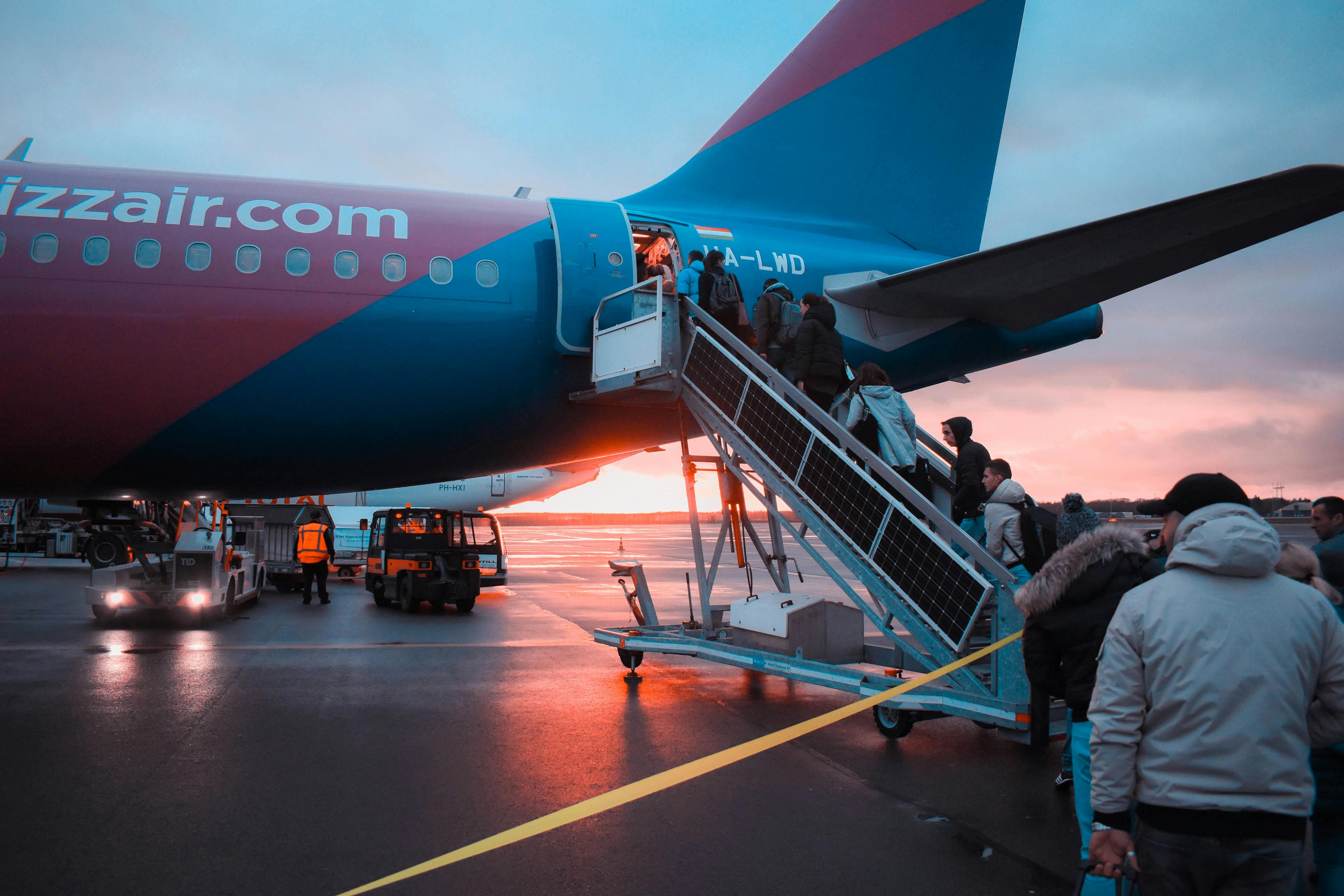
Airlines operate globally, and pricing structures differ by market. A ticket sold in one country may not be priced identically in another due to economic conditions, local purchasing power, and competition. This is why some travellers experiment with checking fares from different regions before booking.
However, it’s important to ensure that tickets comply with airline policies and that currency conversions don’t offset potential savings.
Frequently Asked Questions
Do flight prices go up if you search multiple times?
There is no confirmed evidence that airlines raise prices specifically for one individual based on repeated searches. However, prices can increase due to rising overall demand for that route.
Is it cheaper to book flights in incognito mode?
Using incognito mode may prevent websites from tracking your browsing cookies, but it does not guarantee lower prices. It can, however, help ensure you’re seeing fresh search results.
When is the best time to book airline tickets?
For international travel, booking two to six months before departure often offers competitive pricing. Domestic flights are usually best booked one to three months in advance.
Can flight prices vary by country?
Yes. Airline ticket prices can differ depending on the country of purchase due to taxes, currency exchange rates, and market strategies.
Do last-minute flights get cheaper?
In most cases, last-minute flights are more expensive, especially for popular routes. However, if airlines need to fill remaining seats, occasional discounts may appear.
Final Thoughts
Flight pricing is dynamic, data-driven, and constantly changing. While there’s no guaranteed hack to always secure the lowest fare, being informed gives you a clear advantage.
Instead of rushing to book the first price you see, take time to compare options, remain flexible where possible, and use available tools strategically. Even small differences in booking approach can lead to meaningful savings over time.



No Comments