

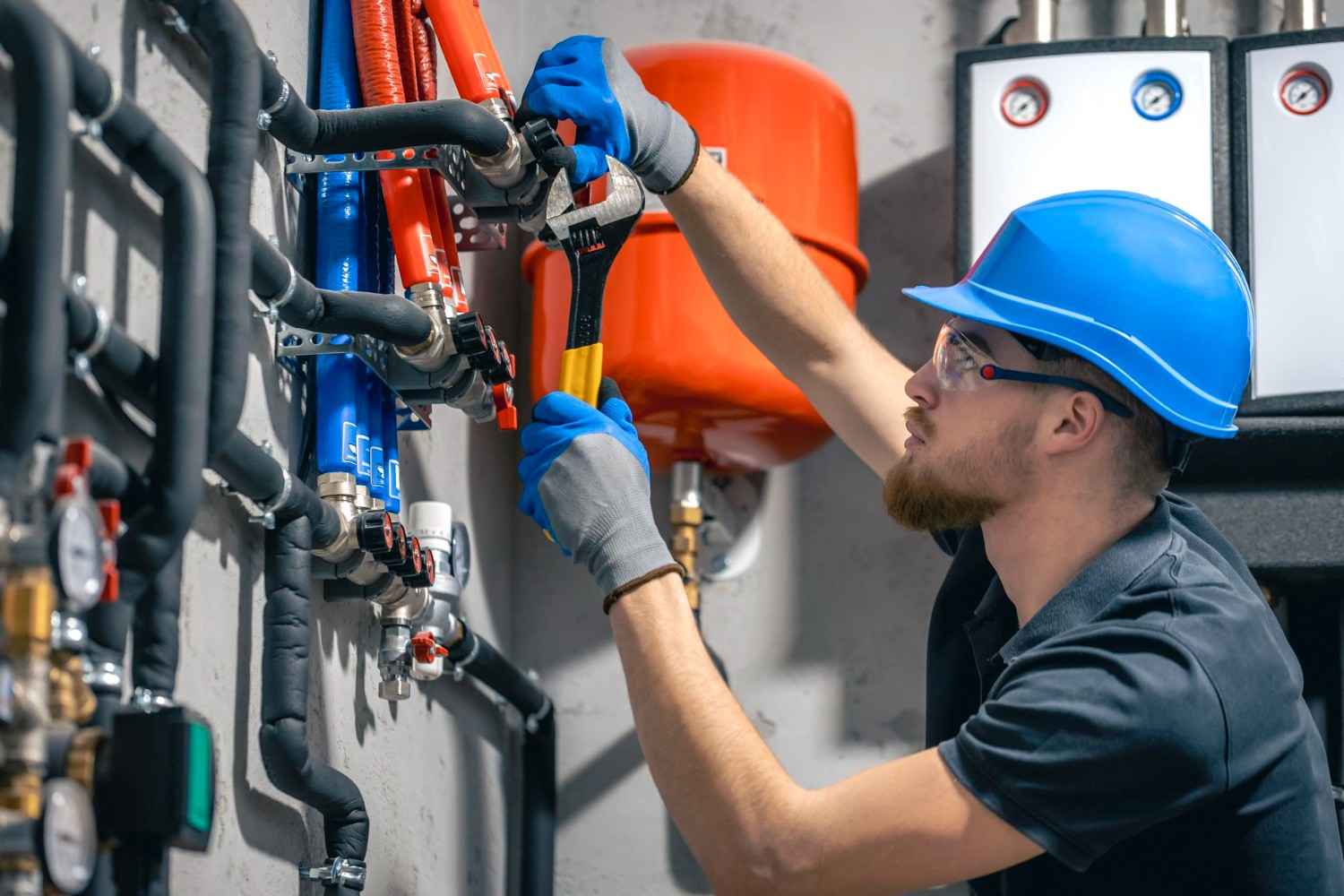
Unexplained odors in a home often lead to confusion, especially when the smell falls somewhere between sulfur, sewage, or a faintly metallic smell. Homeowners frequently assume the issue is a drain or sewer problem, only to discover the source is a small but dangerous gas leak.
The challenge is that minor gas leaks rarely announce themselves clearly and can persist for weeks before being correctly identified. Professional plumbers in Springdale, AR rely on specialized detection methods to locate leaks precisely without resorting to invasive demolition.
Why Gas Leaks Are Commonly Misdiagnosed
Table of Contents
Utilities add mercaptan, a chemical that gives natural gas a sulfur-like odor, because natural gas is odorless on its own. Unfortunately, the odor of decomposing organic debris, sewer gases, and even some water heater problems is the same. Small leaks can emit gas only occasionally or in amounts too low to set off alarms, which makes things even more complicated.
1. Misidentifying the Source of Odors in the Home
When strange smells come and go, especially with changes in weather, air pressure, or when using certain appliances, homeowners often think vents or drains are to blame, not gas lines. This confusion can cause early warning signs of a gas leak to go unnoticed. By the time the smell becomes steady, the leak may have worsened or spread through walls and framing, making it harder to find without the right tools.
2. How Technicians Tell Gas Odors from Sewer Smells
Experienced professionals start by narrowing down the cause. They track when and where the smell appears, and whether it lines up with appliance use. Gas odors are often noticed near ceilings, inside wall cavities, or around appliances, especially after they’ve been turned off. Sewer smells, on the other hand, usually get stronger near drains, floor traps, or vent pipes.
Once basic checks are done, pressure testing plays a key role. By isolating sections of the gas line and watching for pressure changes, technicians can confirm whether there’s a leak. In many cases, this test alone can rule out sewer issues before any further steps are needed.
Non-Invasive Detection Tools Used by Professionals
Modern gas leak detection has advanced far beyond soap bubbles and guesswork. Licensed technicians use a combination of tools designed to locate leaks with minimal disruption:
- Electronic gas sniffers that detect trace amounts of combustible gas in the air
- Infrared imaging to identify temperature anomalies caused by escaping gas
- Ultrasonic detectors that pick up high-frequency sounds produced by pressurized leaks
- Line pressure gauges that reveal micro-drops invisible to standard meters
These tools allow professionals to narrow the leak down to a specific fitting, joint, or pipe segment, often within inches. The result is targeted access rather than widespread wall or floor removal.
Why Walls Rarely Need to Be Opened
Older methods helped fuel the idea that finding a leak requires opening up walls. Today, the focus is on confirming the leak’s location before any access work begins. Technicians trace the system using visual checks, sound, and electronic detection to narrow down the source. A wall is opened only after the location is verified, and the opening is typically small and placed for direct access.
This approach improves safety, reduces repair costs, and limits disruption. It also prevents avoidable damage from exploratory demolition, which can create new problems beyond the original leak.
Repair Strategies Once the Leak Is Found
The type and location of the leak determine the repair techniques. While rusted or incorrectly installed pipe sections are removed and replaced, loose fittings may only need to be resealed or replaced. Experts also assess whether vibration, deteriorating materials, incorrect installation, or pressure imbalances caused the leak in the first place.
Trade Pro Plumbing makes it clear that they offer gas leak detection and repair, emphasizing that their professionals have the equipment and expertise to locate dangerous gas leaks and resolve the issue. This combined approach is important because systems may become susceptible to recurring failures if detection is done without adequate repair planning.
Safety Protocols During Detection and Repair
Gas leak repairs follow strict safety procedures. Technicians shut off the gas, ventilate the area, and control ignition sources throughout the job. After repairs, they confirm the system is sound with pressure testing and gas detection to ensure no additional leaks remain.
This final verification step is important and is sometimes missed by less experienced providers. Professionals may also guide homeowners on follow-up monitoring and maintenance, including appliance checks and placing gas detectors in key areas.
Why Professional Detection Is Not Optional

Serious risks, such as fire threats, the possibility of an explosion, and long-term health issues, can arise from even small gas leaks. Although DIY leak detection techniques can detect visible leaks, they cannot detect subtle leaks concealed behind walls or ceilings. Even worse, mishandling gas lines can make the issue worse.
Licensed plumbers Springdale AR add critical, system-level insight beyond the use of tools. They understand how domestic gas lines are typically routed, where issues most often occur, and how to test safely without creating additional risk. That experience supports accurate diagnosis while minimizing unnecessary damage.
Final Thoughts
When a mysterious odor lingers, distinguishing a sewer issue from a gas leak can be difficult for the untrained nose. What matters is how quickly and accurately the source is identified. With advanced detection tools, pressure testing, and targeted access, professionals, including plumbers in Springdale, AR, can pinpoint even the most minor gas leaks without tearing up walls or guessing at the cause.
Addressing the issue early with experienced technicians protects both the structure and the people inside it, turning a confusing smell into a resolved safety concern rather than a lingering risk.



No Comments