


Life today doesn’t stay in one place for long. People move more often, jobs stretch across regions, and vehicles change locations more than they used to. Cars now serve many roles. They support work, represent investments, and sometimes carry personal value. Because of this, moving vehicles safely and efficiently has become part of everyday life rather than a rare task.
Multi-car trailers fit modern, mobile lifestyles because they support how people live and work today. They combine smart design with practical features that make vehicle transport easier, safer, and more reliable.
They Save Time in a Fast-Moving World
Table of Contents
- They Save Time in a Fast-Moving World
- They Reduce Transport Costs Without Extra Effort
- They Support Work That Depends on Vehicle Movement
- They Protect Vehicles During Transport
- They Match Flexible Living and Work Arrangements
- They Reduce Unnecessary Road Trips
- They Work for Individuals, Not Just Businesses
- They’re Built for Long-Distance and Heavy Use
- They Fit How People Live and Work Today
- Conclusion
Busy schedules leave little room for delays. Vehicle transport often needs to happen quickly, especially when deadlines matter. Moving cars one at a time slows everything down.
Multi-car trailers solve this problem by carrying several vehicles in one trip. A 4-car hauler, for example, allows multiple vehicles to move together instead of requiring repeated trips. This setup helps businesses and individuals stay on schedule without rushing.
For those who don’t need large-capacity setups, trailers for two cars offer a smart starting point. They provide enough capacity to save time without the size or complexity of larger haulers. For growing businesses or households managing more than one vehicle, choosing this option can be a practical next step that improves efficiency right away.
They Reduce Transport Costs Without Extra Effort
Transport costs can rise quickly when vehicles travel separately. Fuel use increases, labor hours grow, and wear adds up.
Multi-car trailers help control those costs. Combining vehicles into one load cuts down on fuel use and reduces time on the road. Proper weight distribution also plays a big role. When weight is balanced correctly across the trailer, towing becomes smoother and safer.
Features like tandem duals support heavier loads without adding strain. This setup improves stability and reduces long-term equipment stress, which helps keep costs predictable.
They Support Work That Depends on Vehicle Movement
Many businesses rely on steady vehicle movement. Dealers, rental companies, and transport services all face this demand.
Different trailer designs support different needs. A wedge car trailer works well for stacking vehicles efficiently. Bumper-pull stacker trailers offer flexibility for operators who prefer simpler connections. Choosing the right hitch type also matters. Some setups rely on a ball hitch, while others need more advanced options based on load size and towing vehicle capacity.
These choices allow businesses to match the trailer to their daily workload instead of forcing a one-size-fits-all solution.
They Protect Vehicles During Transport
Vehicle safety remains a top concern during transport. Damage during travel can lead to costly repairs and delays.
Modern multi-car trailers include features designed to reduce risk. Hydraulic loading ramps allow smooth vehicle placement without sudden drops or sharp angles. Strong braking systems help maintain control during stops, especially on busy roads or steep grades.
Extreme-duty suspensions add another layer of protection. They absorb road shock and reduce vibration, which helps keep vehicles stable throughout the trip.
They Match Flexible Living and Work Arrangements
Work and life no longer follow a fixed pattern. Remote work, temporary moves, and project-based travel are now common.
Multi-car trailers support this flexibility. Families relocating can move several vehicles at once. Companies managing fleets across regions can adjust vehicle placement quickly. A utility trailer setup with modular accessories also adds flexibility, allowing owners to adapt the trailer for different vehicle sizes or uses.
This adaptability helps transport keep up with changing routines instead of slowing them down.
They Reduce Unnecessary Road Trips
Repeated trips increase fuel use and traffic congestion. Over time, this adds unnecessary strain on roads and the environment.
Multi-car trailers reduce this impact by limiting the number of trips needed. Carrying several vehicles at once cuts down on mileage and fuel consumption. A well-designed suspension system also helps improve towing efficiency, which reduces strain on the towing vehicle.
Fewer trips mean less time on the road and lower overall impact.
They Work for Individuals, Not Just Businesses
Multi-car trailers aren’t limited to large companies. Private owners also benefit from their use.
Car collectors and motorsport teams often transport multiple vehicles. Driving each one adds mileage and increases wear. Using a wedge trailer or stacker setup keeps vehicles protected and stationary during transport.
Access to replacement parts also matters for long-term use. Owners can maintain trailers easily and keep them road-ready without replacing the entire unit.
They’re Built for Long-Distance and Heavy Use
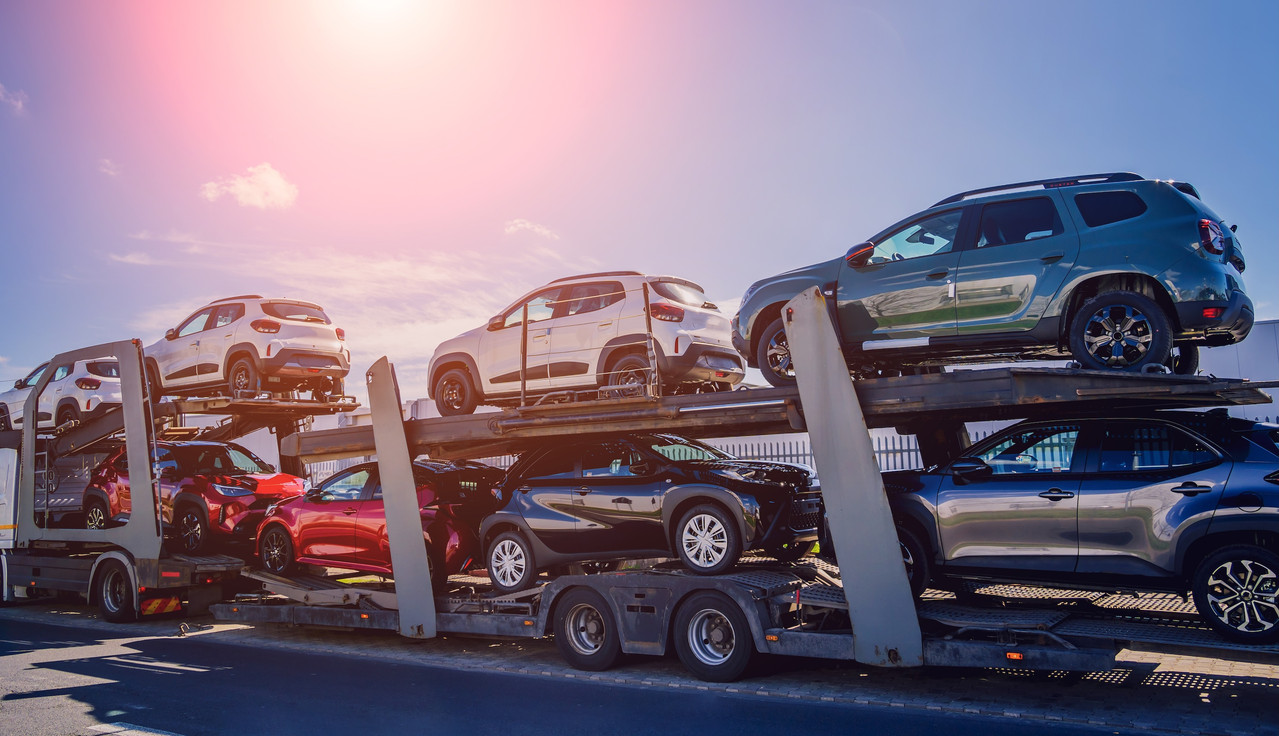
Long trips place heavy demands on transport equipment. Weak designs lead to breakdowns and safety risks.
Multi-car trailers are built to handle these conditions. Strong frames, reinforced suspension systems, and durable components support repeated use. Extreme-duty suspensions help trailers perform well on uneven roads and long highway stretches.
Reliable braking systems also improve safety over long distances. Consistent stopping power reduces driver fatigue and protects both the load and surrounding traffic.
They Fit How People Live and Work Today
Modern mobility demands smarter transport solutions. Vehicles move more often, distances grow longer, and expectations stay high.
Multi-car trailers meet these demands through flexible design, strong performance, and thoughtful features. Whether using a 4-car hauler for business or a utility trailer setup for personal needs, users gain efficiency without added stress.
Conclusion
Multi-car trailers fit modern, mobile lifestyles because they solve real transport problems in a clear and practical way. They save time, reduce costs, and protect vehicles during every trip. Features like proper weight distribution, strong braking systems, and adaptable designs support both business and personal needs.
Their flexibility matches changing work and living patterns with ease. As mobility continues to shape everyday life, multi-car trailers remain a reliable and sensible transport choice.



No Comments