

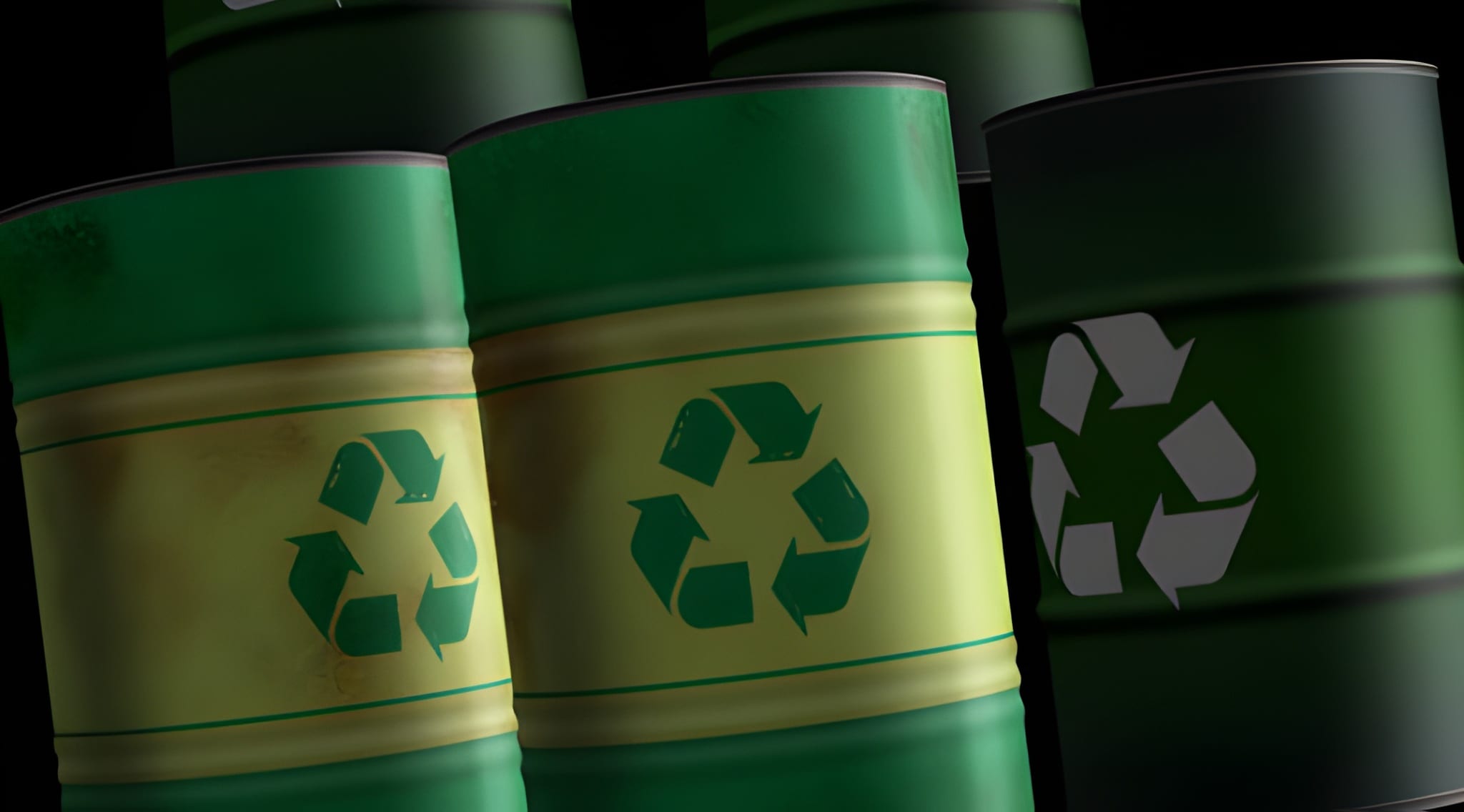
Waste oil recycling turns used oil into clean fuel again. It helps shops and factories run better with less harm. The process collects, cleans, and reuses oil safely. Proper Oude olie afvoeren starts with collection at the source.
Straightforward Collection Methods Start Recycling Process
Table of Contents
- Straightforward Collection Methods Start Recycling Process
- Storage Rules Keep Oil Ready For Processing
- How Does Oil Get Clean During Recycling?
- Filter Systems Remove Dirt And Water
- What Steps Help Shops Start Recycling Easy?
- How Much Can Shops Save With Recycling?
- Plant Processing Turns Oil Into Fuel
- Usage Reports Track Recycling Benefits Long Term
Collection methods gather used oil from shops and garages. They use simple tanks and drums for storage. The goal keeps oil clean until processing begins. Workers drain oil from machines into sealed containers. Trucks pick up full drums for transport to plants. Labels track each batch from pickup to delivery.
Storage Rules Keep Oil Ready For Processing
Storage follows clear rules to avoid spills or dirt. Tanks sit on flat ground with spill trays below. Covers prevent rain or dust from mixing in.
- Drums sealed tightly after filling is complete
- Labels show oil type and pickup date
- The storage area stays dry and flat always
- Spill kits are ready near all tanks
- Batch numbers track from source to plant
- Capacity limits prevent overfill risks
Good storage makes oil easy to process later. Clean batches save time and cut cleaning costs. The habit builds safe handling from day one.
How Does Oil Get Clean During Recycling?
Oil goes through filters and heaters at the plant. Dirt and water separate out first step. Clean base oil stays for the next uses. Heat breaks down thick parts into thin fuel. Chemicals help pull out metals and bad stuff. Tests check purity before storage or sale.
Filter Systems Remove Dirt And Water
Filters catch big and small dirt from oil. They work in stages from rough to fine mesh. Clean oil flows through to the holding tanks.
- Rough screens block large metal bits
- Medium filters grab sand and grit
- Fine mesh traps tiny carbon particles
- Centrifuge spins out heavy water drops
- Dryers heat off remaining moisture fast
- Final polish removes color and smell
Clean stages make oil pure for reuse. Each step cuts waste and boosts value. Filtered oil sells for good prices quickly.
What Steps Help Shops Start Recycling Easy?
Shops pick a recycler with pickup service. They set up drums near the machines for easy draining. Workers learn simple rules for safe handling. Training takes one day and saves problems later. Oude olie afvoeren works best with weekly pickups. Full drums are swapped for empty ones fast. Bills come monthly with clear usage reports. Shops track savings from fewer new oil buys.
How Much Can Shops Save With Recycling?
Savings come from buying less new oil each month. Recycled oil costs half as much per gallon. Shops cut disposal fees by sending oil out right. Labor stays low with easy collection habits. Machines run smoothly on clean recycled fuel. Bills drop ten percent in the first year, usually. Return on setup pays back in six months flat.
Plant Processing Turns Oil Into Fuel

Plants heat oil to splitthe bad parts out. Clean fuel goes to trucks and heaters. Byproducts make asphalt or burn safely. Tests are run eon very batch for quality check. Good fuel meets all rules for sale. Trucks deliver to shops that need it most.
Usage Reports Track Recycling Benefits Long Term
Reports show tons of recycled materials and fuel are made each year. Shops get copies to prove green efforts work. Numbers help plan a bigger collection next time. Savings add up over five years of use. Clean air reports come from local checks, too. The cycle keeps going with better plans each round.
Trucks haul clean fuel back to local users. Shops buy it cheaply for their machines and trucks. Fuel burns clean with less smoke than new oil. Engines last longer without dirty buildup inside. Costs stay low year after year with a steady supply. Workers handle less mess from spills or leaks. Safety improves around shop floors every day. Local rules get met without extra fines or fees.



No Comments