

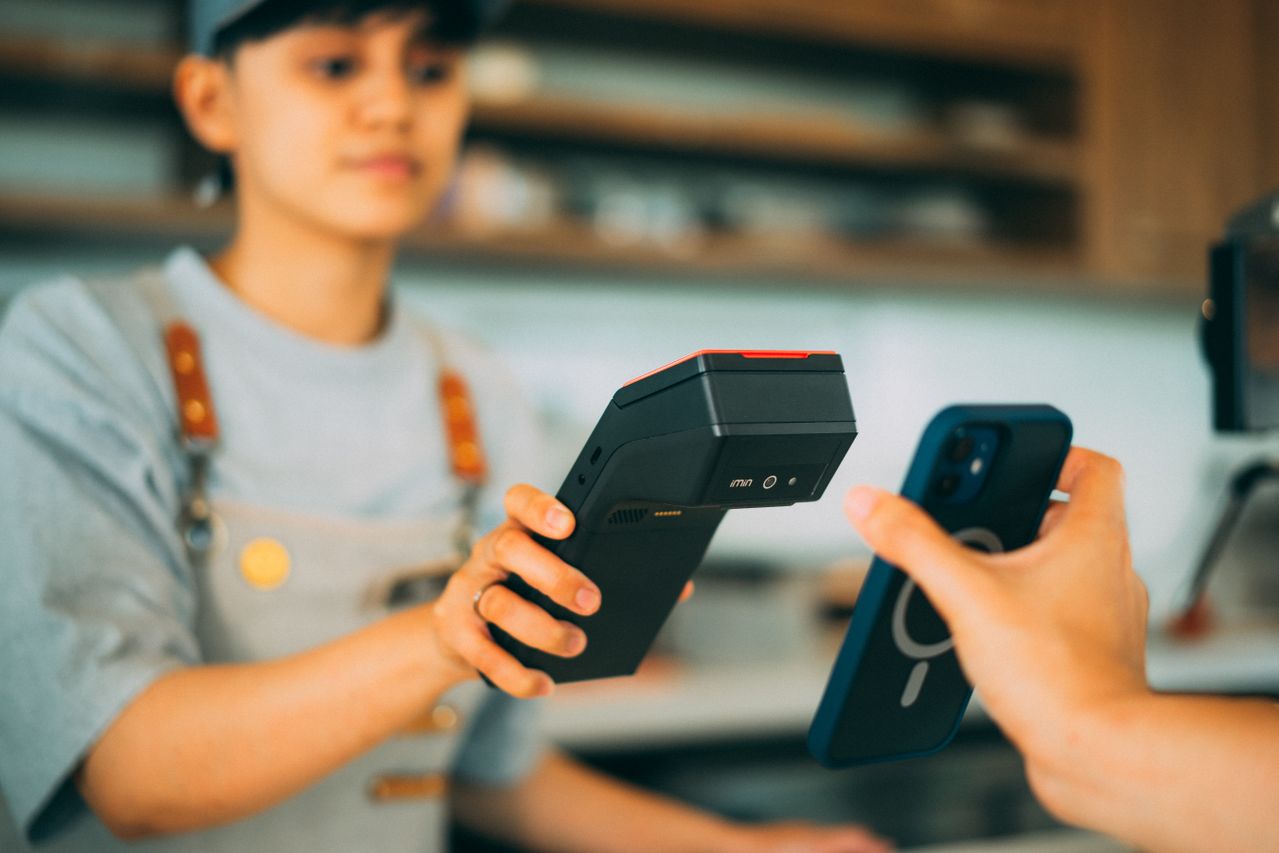
You’ve probably tapped your card or phone at checkout more times this year than you swiped or inserted a chip. That’s not an accident. Contactless payments have moved from a nice-to-have to the default expectation almost everywhere you shop, eat, or book a service.
The pandemic accelerated it, but the habit stuck because it’s simply faster and easier. For business owners, this shift isn’t just a trend to watch from the sidelines. It’s changing how you need to think about checkout, customer experience, and even which processors you choose to work with.
The growth numbers back this up. Tap-to-pay transactions have grown at double-digit rates year over year in most markets, and mobile wallets like Apple Pay and Google Pay continue to gain ground. Even industries that used to lag behind are catching up fast.
Take online gaming and wagering, for example. If you’re running a business in that space, you already know how much scrutiny and speed matter at checkout, which is why so many operators are now searching for payment gateway providers for sports betting that can handle instant deposits, high transaction volumes, and strict compliance requirements all at once. The stakes are different, but the underlying demand is the same: customers want to pay quickly and feel it’s effortless.
Why Customers Expect It Now
Think about the last time you stood in line somewhere. Chances are, the person in front of you tapped their phone and walked away in seconds. That’s the new baseline. Customers don’t want to fumble for cash or wait on a chip reader to process. They want speed.
A few reasons this expectation has taken hold:
- Contactless feels safer and more hygienic, a habit formed early in the pandemic and never fully abandoned.
- Phones and wearables are now default payment tools, not backups.
- Younger consumers have grown up without ever regularly using cash.
If your checkout process feels slow or clunky compared to a competitor’s, you risk losing that sale. It’s that simple.
What This Means for Your Checkout Experience
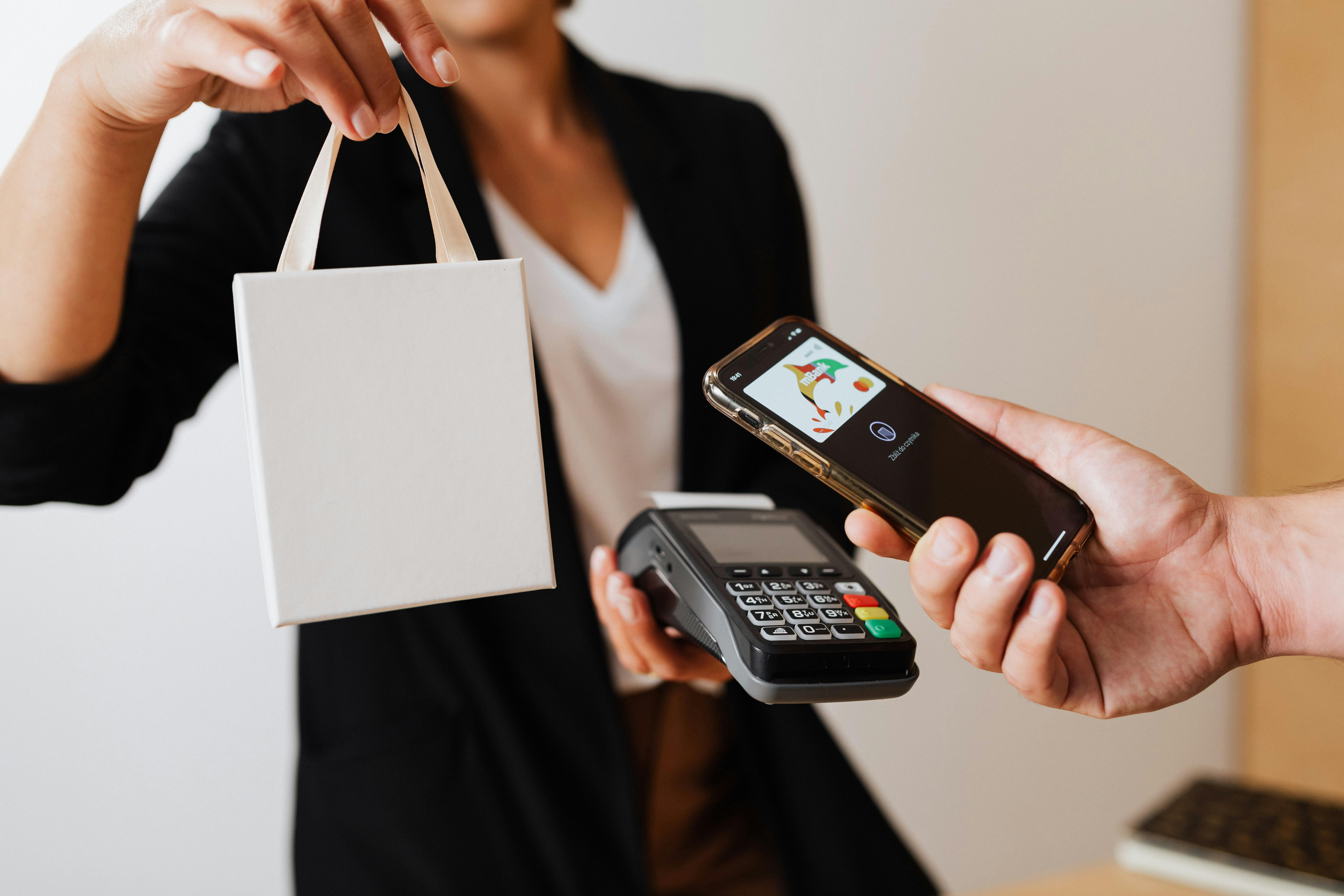
Speed matters, but so does reliability. A contactless system that fails half the time is worse than no contactless option at all. You need hardware and software that actually keep up with demand.
Consider upgrading if your current setup:
- Frequently requires backup swipes or manual entry.
- Doesn’t support major mobile wallets.
- Has slow processing times during peak hours.
Even small delays add up. Customers notice, and they remember.
Choosing the Right Payment Partner
Not every processor is built the same way, and your industry matters here. A boutique clothing store has very different needs from a high-volume subscription service or a regulated gaming platform. Before signing with a provider, think about:
- Transaction fees and how they scale with volume.
- Integration with your existing point-of-sale or online platform.
- Support for international customers, if that applies to you.
- Compliance requirements specific to your industry.
Taking the time to compare providers now can save you real headaches later.
The Bottom Line
Contactless payments aren’t going anywhere. If anything, they’re becoming the primary way people expect to pay, not just an alternative option. Whether you run a small local shop or a larger digital platform, keeping up with this shift protects your revenue and your customer relationships.
Take a hard look at your current setup, ask the right questions, and make sure your business is ready for how people actually want to pay today.



No Comments