

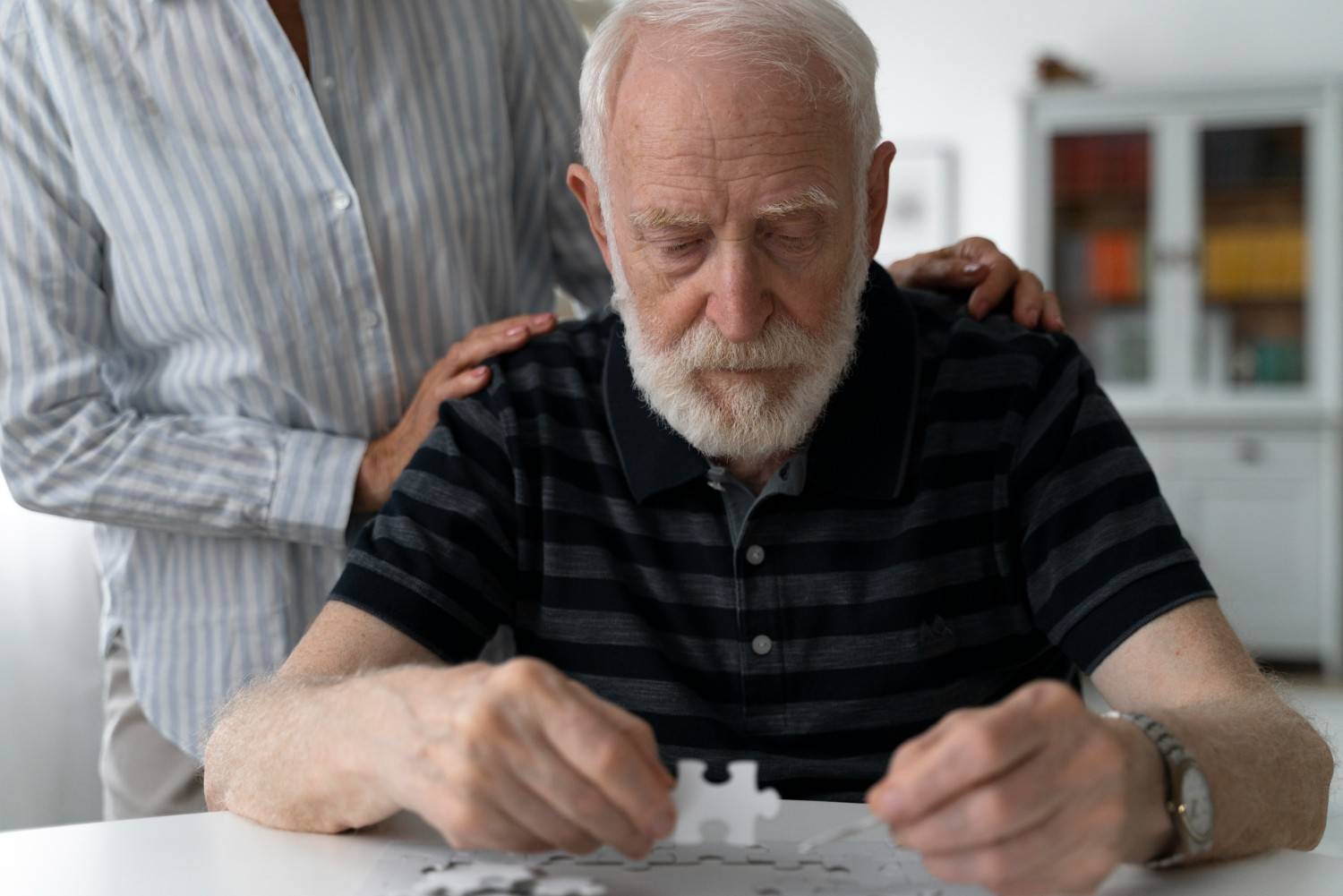
Dementia affects not only memory but also mood, behavior, communication, and physical function. While medication can offer limited symptom relief, it does not address the broader needs of those living with the condition. Holistic care models aim to fill this gap by integrating physical, cognitive, emotional, and environmental supports.
Structured Daily Routine & Purposeful Activities
Table of Contents
- Structured Daily Routine & Purposeful Activities
- 1. Adapting the Environment to Help Reduce Confusion and Increase Comfort
- 2. Using Cognitive Stimulation as Therapeutic Support
- 3. Emotionally Supporting and Relating to Individuals Who Have Been Diagnosed with Dementia
- 4. A Broader Approach to Dementia Care
Establishing a regular daily schedule that includes meaningful activities will contribute positively to the quality of life for persons diagnosed with dementia. Structured experiences like musical activities, art therapy, gardening, or guided reminiscing are helpful in reducing feelings of anxiety and disorientation. Occupational therapy supports continued independence with everyday tasks, while tailored exercise routines maintain mobility and support cognitive function.
1. Adapting the Environment to Help Reduce Confusion and Increase Comfort
There are many ways that the senses are altered for individuals who have been diagnosed with dementia. The amount of light, the level of noise, and the ability to touch items can either increase or decrease a person’s comfort and ability to navigate through their environment. By modifying the environment to create more comfortable and predictable surroundings, such as increasing the amount of light in a room, decreasing the amount of background noise, and adding objects that the individual finds comforting, the potential for confusion decreases, and the ability to orient themselves increases.
Many long-term care facilities are using multi-sensory rooms and aromatherapy to help individuals cope with over-stimulation and find comfort and relaxation.
2. Using Cognitive Stimulation as Therapeutic Support
Cognitive Stimulation Therapy (CST), which involves structured group activities based on a specific theme, has been shown to be one of the most effective, evidence-based interventions used to support the cognitive function of individuals who have been diagnosed with dementia. CST helps to support cognitive health by providing social interaction and promoting engagement with others.
3. Emotionally Supporting and Relating to Individuals Who Have Been Diagnosed with Dementia
Emotional support is just as important when caring for someone who has been diagnosed with dementia. Validation therapy and active listening techniques have been developed to help caregivers communicate emotionally with individuals who have dementia without having them feel confused about what is happening or feeling challenged about their lack of memory.
Using these techniques can reduce feelings of distress and increase feelings of connection with family members and other caregivers.
4. A Broader Approach to Dementia Care
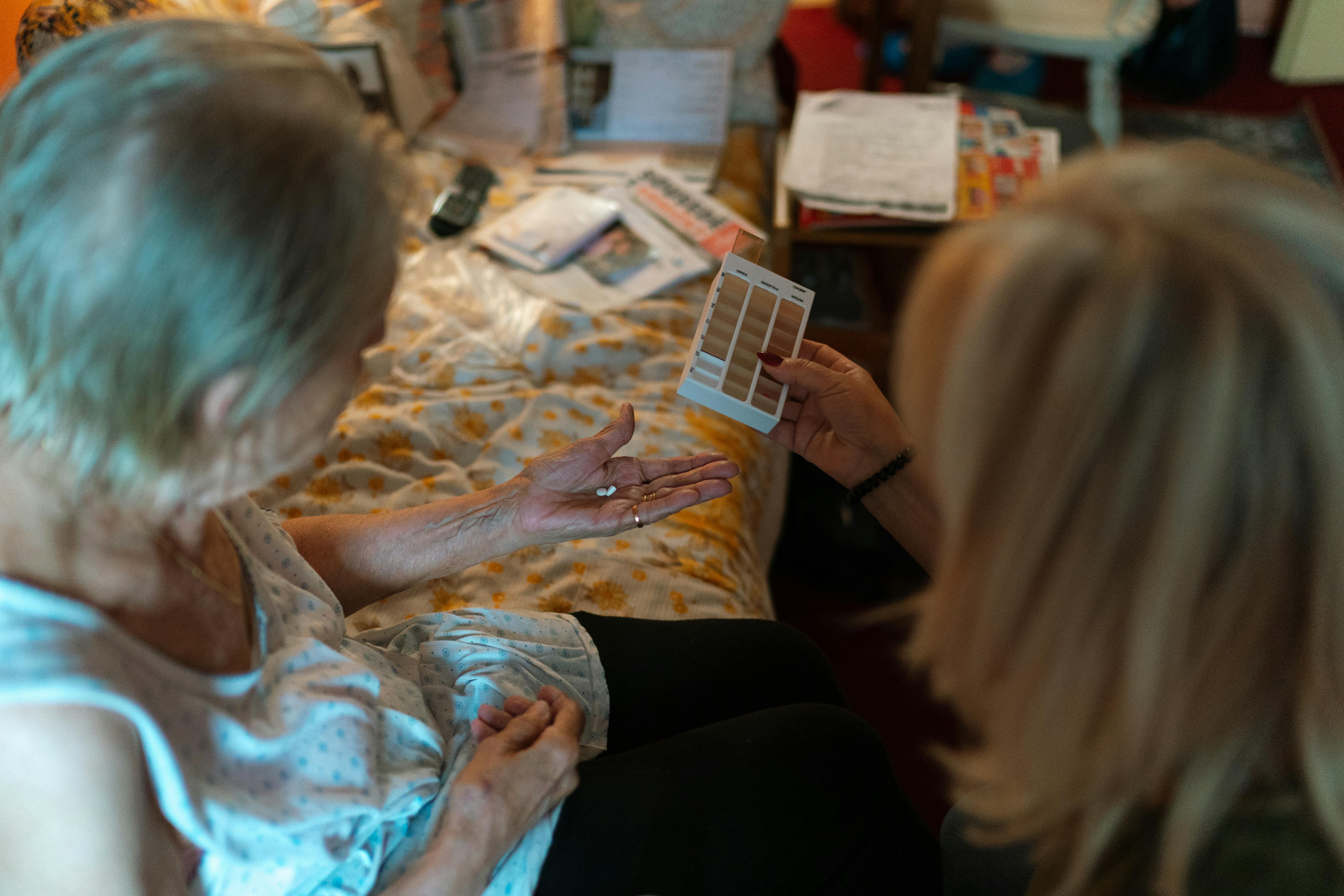
There are many types of residential programs that specialize in providing memory care for individuals who have been diagnosed with dementia. Many of these programs focus on providing compassionate memory care services to individuals while creating a safe and supportive environment where individuals can continue to be independent. The primary focus of these programs is to establish a sense of structure and comfort for individuals while allowing them to live comfortably in a facility designed to meet their evolving needs.
While holistic care is not meant to replace clinical treatment, it does complement medical treatment by addressing areas that medical treatments cannot.
As families begin to look for more comprehensive ways to support loved ones who have been diagnosed with dementia, holistic dementia care models are being increasingly implemented into in-home care and long-term care settings.
Understanding the scope of holistic dementia care allows families and care teams to make more educated decisions regarding care options and the best ways to support the daily experiences of those who have been diagnosed with dementia.



No Comments