

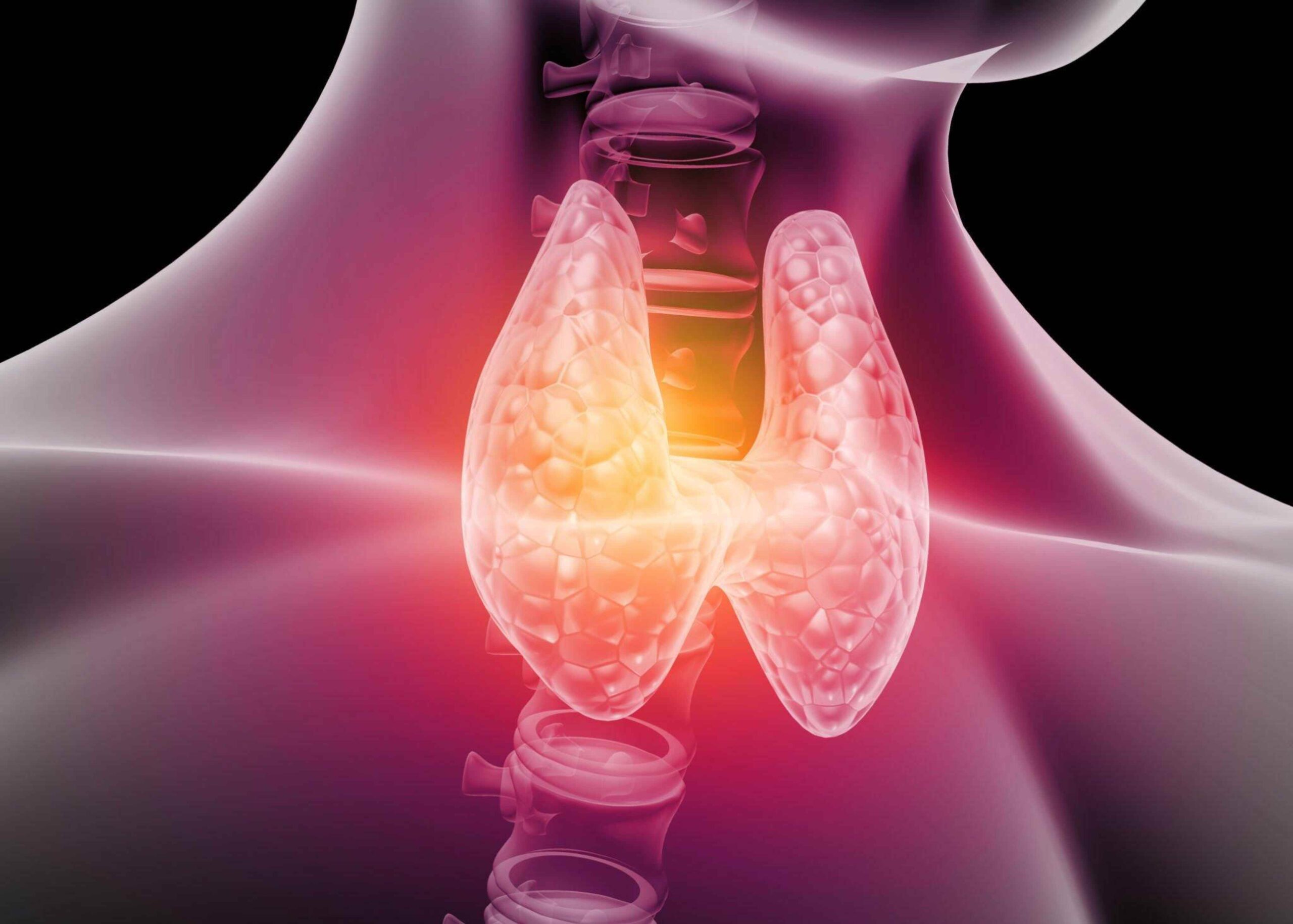
Hyperthyroidism is a medical condition characterized by the overactivity of the thyroid gland, leading to excessive production of thyroid hormones. These hormones play a crucial role in regulating metabolism, so when their levels are elevated, they can significantly impact various bodily functions.
This article will explore the causes, symptoms, and available treatment approaches for hyperthyroidism, providing a comprehensive understanding of this condition and how it can be effectively managed.
Causes of Hyperthyroidism:
1. Graves ‘disease:
The most common cause of hyperthyroidism is Graves’ disease, an autoimmune disorder where the immune system mistakenly attacks the thyroid gland, causing it to produce excess hormones.
2. Thyroid Nodules:
Hyperthyroidism can also result from the presence of nodules or growths in the thyroid gland that produces excessive amounts of thyroid hormones independent of the body’s normal regulatory mechanisms.
3. Thyroiditis:
Inflammation of the thyroid gland, known as thyroiditis, can cause a temporary release of stored thyroid hormones into the bloodstream, leading to transient hyperthyroidism.
4. Excessive Iodine Intake:
Consuming excessive amounts of iodine, either through certain medications or dietary supplements, can trigger hyperthyroidism, particularly in individuals with underlying thyroid disorders.
5. Medications:
Certain medications, such as amiodarone (used to treat heart rhythm disorders) and lithium (used to treat bipolar disorder), can interfere with normal thyroid function and contribute to hyperthyroidism.
Common Symptoms of Hyperthyroidism:
- Increased Metabolic Rate: Hyperthyroidism accelerates the body’s metabolic rate, leading to symptoms such as unexplained weight loss, increased appetite, and heat intolerance.
- Nervous System Symptoms: Individuals with hyperthyroidism may experience anxiety, irritability, restlessness, difficulty concentrating, and mood swings.
- Heart and Cardiovascular Symptoms: Elevated thyroid hormone levels can cause an increase in heart rate, palpitations, high blood pressure, and in some cases, irregular heart rhythms.
- Changes in Bowel Habits: Some people with hyperthyroidism may experience frequent bowel movements or diarrhea.
- Fatigue and Weakness: Paradoxically, individuals with hyperthyroidism may experience fatigue and muscle weakness despite the increased metabolic rate.
- Changes in Menstrual Patterns: Women with hyperthyroidism may have irregular menstrual cycles or lighter periods.
Treatment Approaches for Hyperthyroidism:
1. Antithyroid Medications:
These medications, such as methimazole or propylthiouracil, inhibit the production of thyroid hormones. They are often prescribed for individuals with Graves’ disease or as a temporary measure before definitive treatment.
2. Radioactive Iodine Therapy:
In this approach, a radioactive form of iodine is administered orally, which is taken up by the thyroid gland. The radiation destroys the overactive thyroid cells, gradually restoring normal thyroid function. This treatment is commonly used for non-pregnant adults.
3. Beta-Blockers:
Beta-blocker medications may be prescribed to manage the symptoms associated with hyperthyroidism, such as rapid heart rate, palpitations, and tremors. They do not treat the underlying cause but provide symptomatic relief.
4. Thyroid Surgery:

In cases where other treatments are not suitable or effective, surgical removal of all or part of the thyroid gland (thyroidectomy) may be recommended. This approach is often used for large goiters, thyroid nodules, or when cancer is suspected.
5. Lifestyle Modifications:
Making lifestyle changes, such as reducing stress levels, regular exercise, and adopting a healthy diet, can support overall well-being and thyroid health. Avoiding excessive iodine intake and following a balanced diet rich in nutrients is important.
Conclusion:
Hyperthyroidism is a condition that requires proper diagnosis and management to prevent complications and improve quality of life. Understanding the causes, recognizing the symptoms, and seeking appropriate medical care are essential in treating hyperthyroidism.
With the variety of treatment approaches available, individuals with hyperthyroidism can effectively manage their condition and achieve optimal thyroid function. If you suspect you have hyperthyroidism or are experiencing related symptoms, consult a healthcare professional for accurate diagnosis and personalized treatment options.



No Comments